Below is the latest edition of The Signal ™ — our biweekly newsletter delivering freight rail news, insights, and interesting facts. Enjoying it? Subscribe to get the email sent straight to your inbox every other week. You can also check out past editions here.

As America turns 250, we’re closing in on our own milestone; next year marks the 200th anniversary of rail in America. And this industry isn’t just celebrating its history, it’s actively rewriting what’s possible with AI, machine vision, and real-time data.
The proof is in the numbers: Last year saw historic lows in derailments, track-related accidents, and employee injuries. That’s thanks in part to roughly $25 billion invested annually by railroads, paired with a workforce that knows how to put smart tools to work.
During this year’s Innovation Week, we’re spotlighting what’s possible when investment, innovation, and expertise work together across the freight rail network. Explore more below. 👇
Focusing digital eyes on moving wheels.
Norfolk Southern uses an AI-powered wheel inspection system that captures high-resolution images of every wheel as trains pass at track speed, helping detect defects before they become safety issues. Combined with the railroad’s digital inspection network, the technology has already identified defects that led to equipment removals and an industry-wide wheel recall.
Taking safety to new heights.
What began as a small pilot program has grown into a company-wide capability. Today, CSX operates more than 250 drones and has trained more than 350 FAA-certified pilots to support teams across the railroad. From inspecting bridges to assessing storm damage, drones help keep employees out of hazardous environments while providing real-time data for faster, safer decisions.
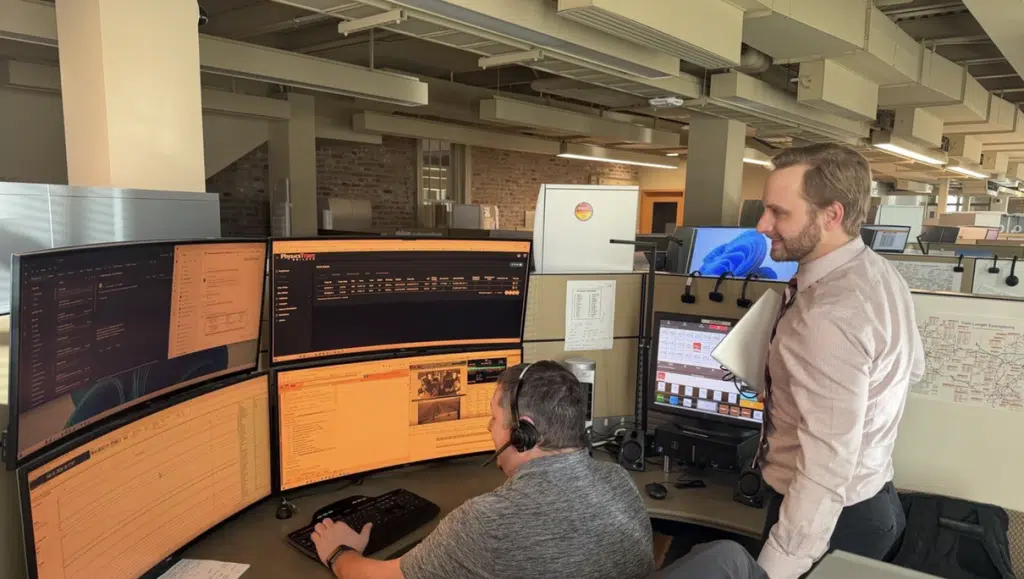
Building trains with physics.
Union Pacific’s Physics Train Builder uses sophisticated modeling to determine the safest and most efficient way to build trains before they leave the yard. It also monitors trains in real time, helping crews identify potential issues and improve safety, efficiency, and performance across the network.

Hybrid power hits the yard.
CN is testing hybrid electric locomotives that pair a 2.4 MWh battery with a Tier 4 diesel engine, delivering up to 60% more horsepower while targeting a 50% reduction in fuel consumption and emissions. The pilot is part of the railroad’s broader strategy to modernize its locomotive fleet, improve efficiency, and reduce maintenance.
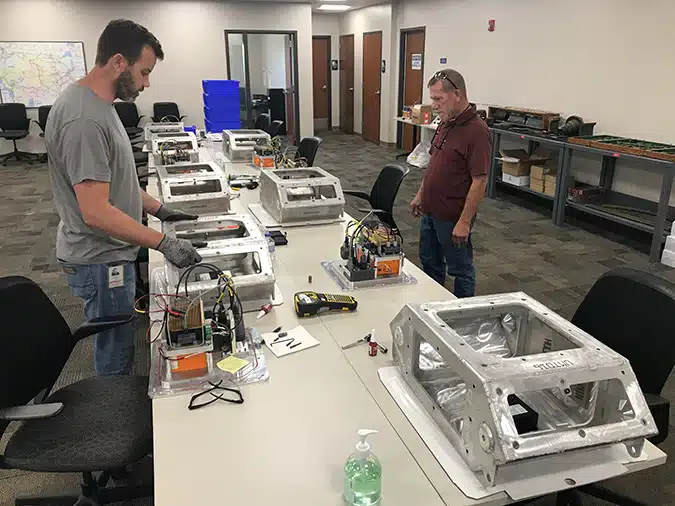
Scanning every mile.
BNSF’s ODIN and THOR systems inspect track while trains are moving, using advanced sensors and imaging to detect potential defects before they become safety issues. In 2025, the systems inspected more than 315,000 miles of track, with expansion expected to more than one million miles annually.
Swapping for hydrogen-powered engines.
CPKC’s hydrogen locomotive program swaps out diesel engines and alternators for a fuel cell system that powers the same traction motors already on the locomotive. This approach reuses proven components, keeping the cab and frame intact, while emitting only water vapor.
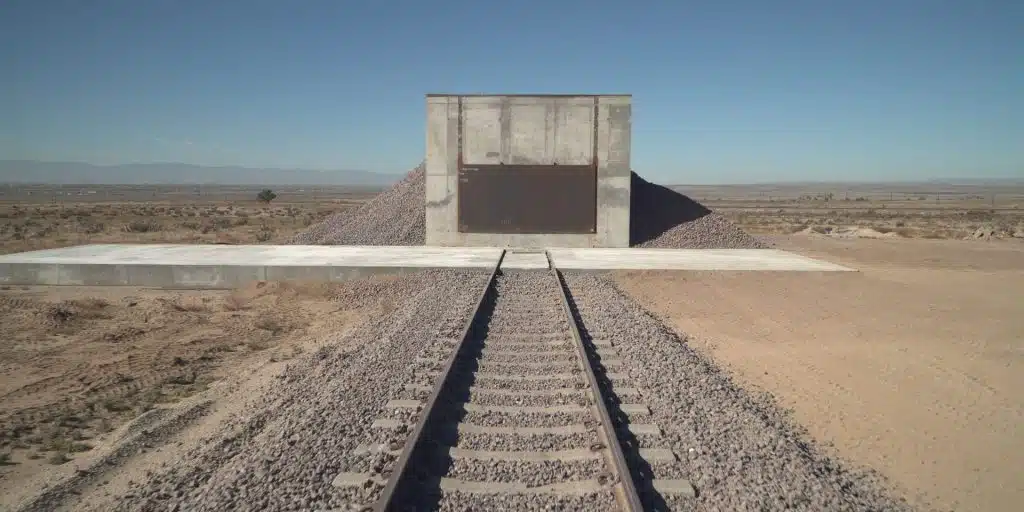
Crash-testing the future, safely.
MxV Rail’s new Impact Track and Wall allows researchers to safely test rail equipment before it enters service. By recreating real-world impacts under controlled conditions, the facility helps engineers validate safer designs and improve rail safety across the industry.
EXPERT INPUT: It’s time to modernize rail regulation.
Much of the regulation governing how freight railroads operate was written in the early 1970s — before today’s technology existed.
AAR President and CEO Ian Jefferies sat down with FreightWaves to explain why modernizing that framework is one of the industry’s top priorities, and how pairing new technology with human expertise can drive real gains in safety and efficiency. He also discusses the slow pace of federal rulemaking and what he hopes to see from Congress on surface transportation reauthorization.
Intermodal hits a new monthly record in June.

AAR’s latest RIO report shows freight rail remained strong through the first half of 2026. June marked the sixth straight month of carload growth and a record month for intermodal, while manufacturing, chemicals, steel, and grain shipments all pointed to a broadening economic recovery. 👉 Read the full report for more insights.
Training First Responders
CSX recently opened a new hazardous materials training facility in Jacksonville, Fla., to provide hands-on rail and hazmat training for first responders. Hosted by Florida State College at Jacksonville’s Fire Academy of the South, the facility features rail equipment, specialized training props, and realistic scenarios to help emergency responders prepare for the rare event of a real-world incident.
📅 Upcoming Webinar: From Steam to Sensors – Rail Innovation Then, Now & Next
Wednesday, July 15 · 2:00 p.m. ET
Freight rail has always been driven by innovation. This discussion explores how technologies—from the steam locomotive to today’s AI, automation, and advanced sensors—have transformed rail transportation and continue to shape its future. Speakers include The B&O Railroad Museum, Norfolk Southern, CPKC, and Parallel Systems. Register >
INDUSTRY READS
- NATIONAL RAILWAY LABOR CONFERENCE: Freight Rail Industry Closes Fastest National Bargaining Round in Decades
- AMERICAN JOURNAL OF TRANSPORTATION: Import cargo expected to set new record ahead of potential August tariffs
- ASSOCIATED PRESS: Specialty farmers adapt harvests, protect crops in face of extreme heat
- WASHINGTON POST: Fate of $2 trillion North American trade deal in doubt as July 1 deadline passes
- WASHINGTON EXAMINER (COMMENTARY: Congress is about to make America’s roads far more dangerous