Key Facts
- Freight rail has been helping build America since 1827.
- Since its inception, freight rail has embraced new technologies to make its network safer, stronger, and more efficient.
- Freight rail remains essential to America’s future—supporting economic growth, innovation, and global competitiveness.
As America turns 250, freight railroads are proud to be the trusted partner that has kept this nation moving for most of its history. Railroads carry the goods that grow our economy, support jobs, and connect communities across the country. From the earliest rail lines to today’s modern network, freight rail has helped build a stronger, safer nation. With billions invested each year, we’re ready to keep America moving for the next 250.
Stories At-a-Glance
- How freight railroads built America
- How freight rail technology has evolved
- How technology transformed rail jobs
- How freight rail helped shape America’s defining eras
- Why freight railroads are the original disruptors
- Freight railroads then and now
- America250 commemorative locomotives
How Freight Rail Moves America
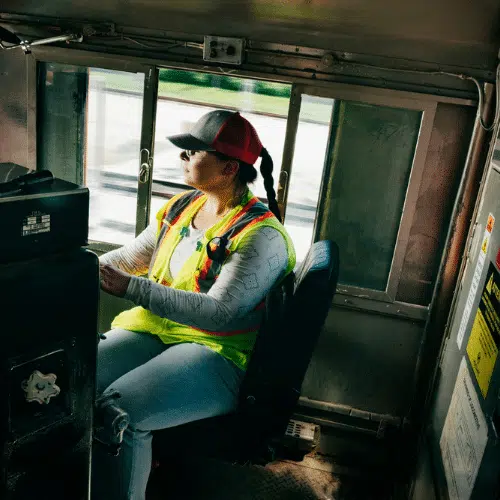
Freight rail jobs are among the safest and best-paying in America, with over 80% of Class I workers unionized, wages about 40% above the national average, and careers with a median tenure of about 14 years.
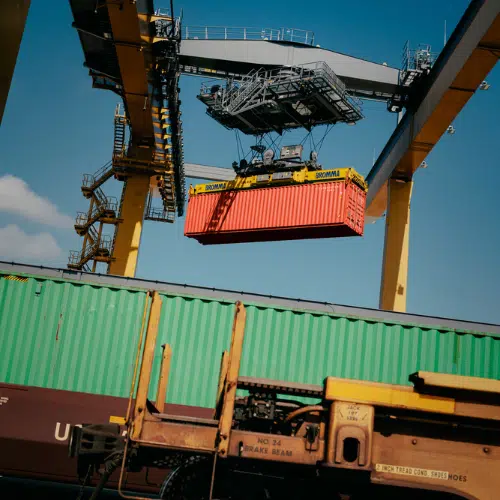
From food and cars to home goods and clothing, freight railroads move the essentials Americans count on every day—keeping shelves stocked, costs down, and communities supplied.
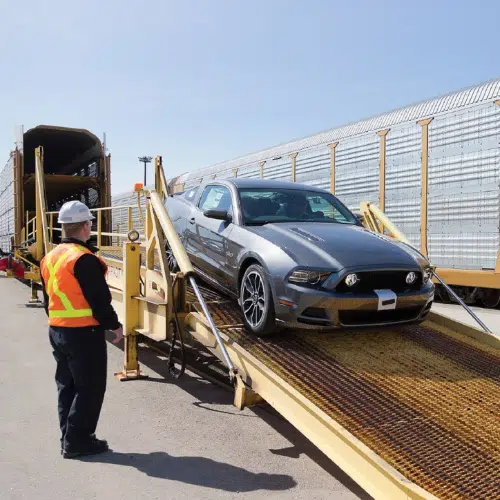
Freight railroads power nearly every industry—from construction and farming to autos and tech—moving massive volumes efficiently, strengthening supply chains, and keeping U.S. businesses competitive.
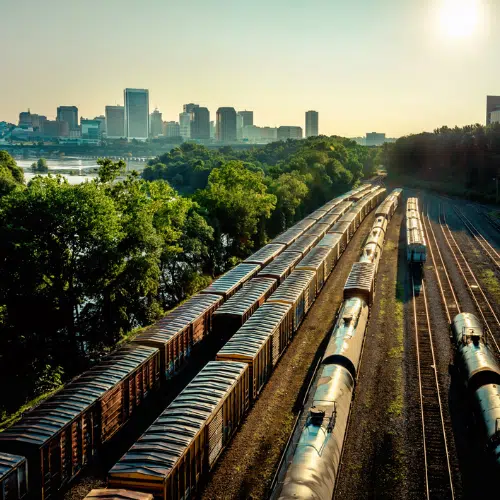
Freight rail is the most fuel-efficient way to move goods over land, and continued investments in new technologies are further shrinking an already small carbon footprint.
How Freight Rail Reaches America
Freight rail reaches nearly every corner of America, spanning nearly 135,000 miles across 49 states and D.C. Regional and short line railroads connect local businesses and communities to the national economy, while freight-owned tracks support about 70% of Amtrak’s train-miles. Backed by a strong rail supply network, freight rail keeps goods moving, expands market access, and strengthens U.S. competitiveness. Ongoing investment ensures the network is ready to meet the demands of a growing economy for years to come.
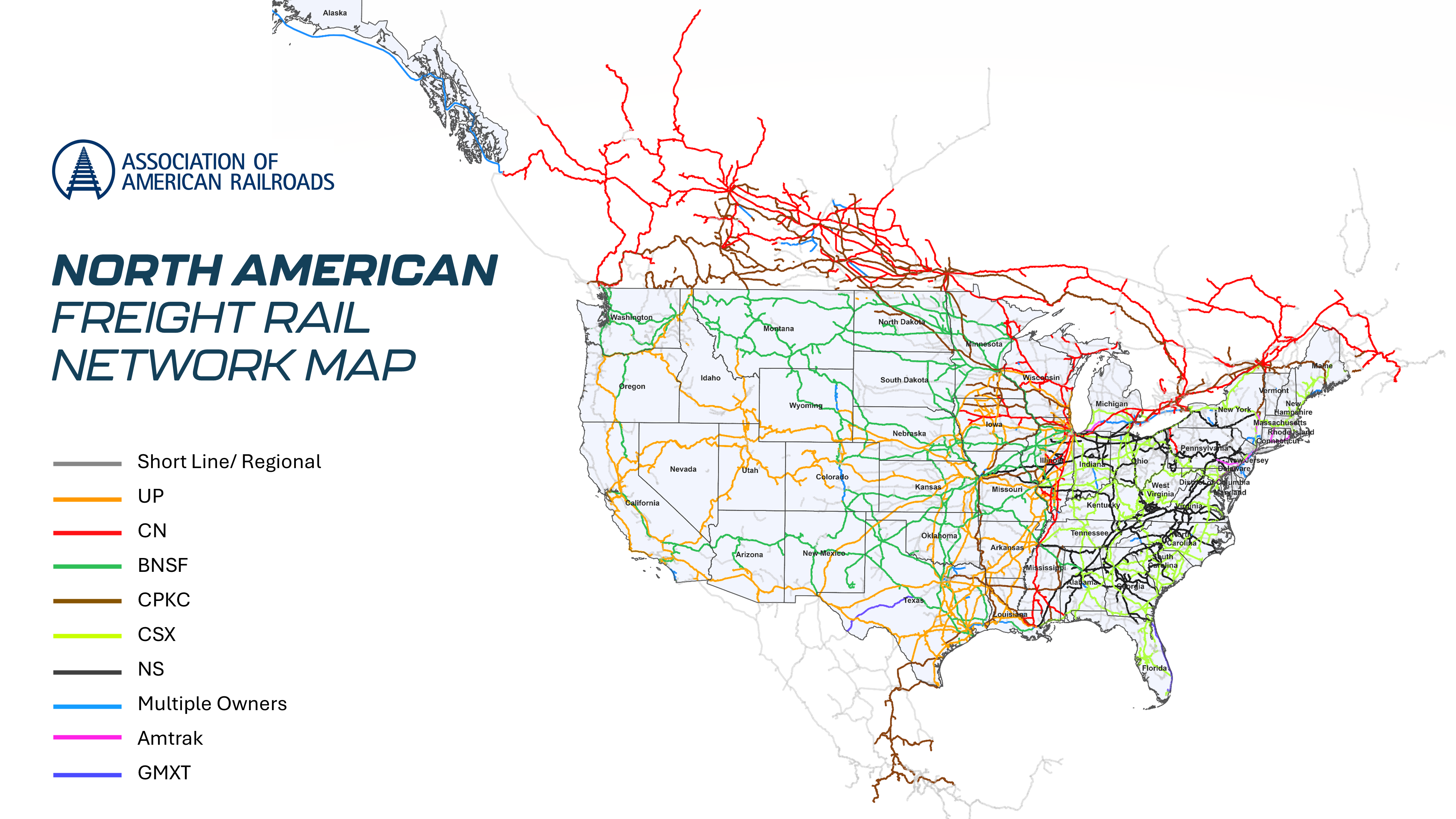
How Freight Rail Impacted America’s History
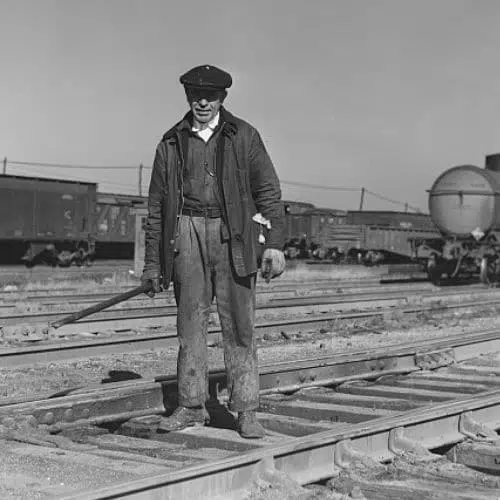
Freight railroads helped build America from the ground up, continually transforming as the country grew.
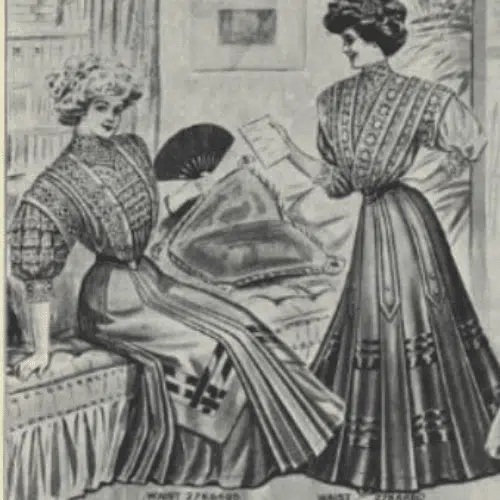
Freight rail disrupted America by mastering speed, coordination, and national connectivity long before the digital age.
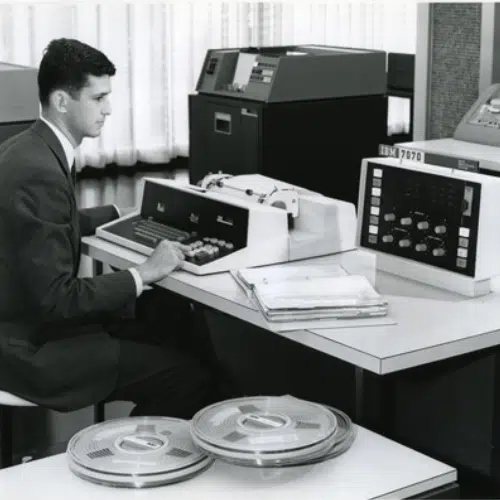
Freight railroads were one of the first early adopters of technology in the 1800s and continue to be pioneers today.
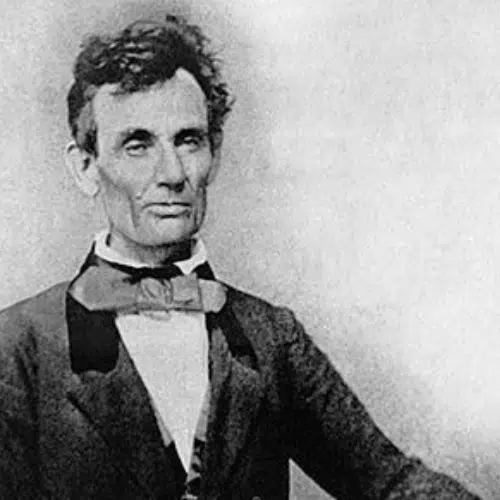
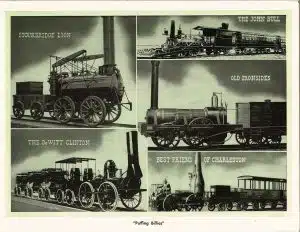
From the first steam locomotive to today’s AI-powered rail network, freight railroads have been critical to America since 1827.
How Technology Transformed Railroad Jobs
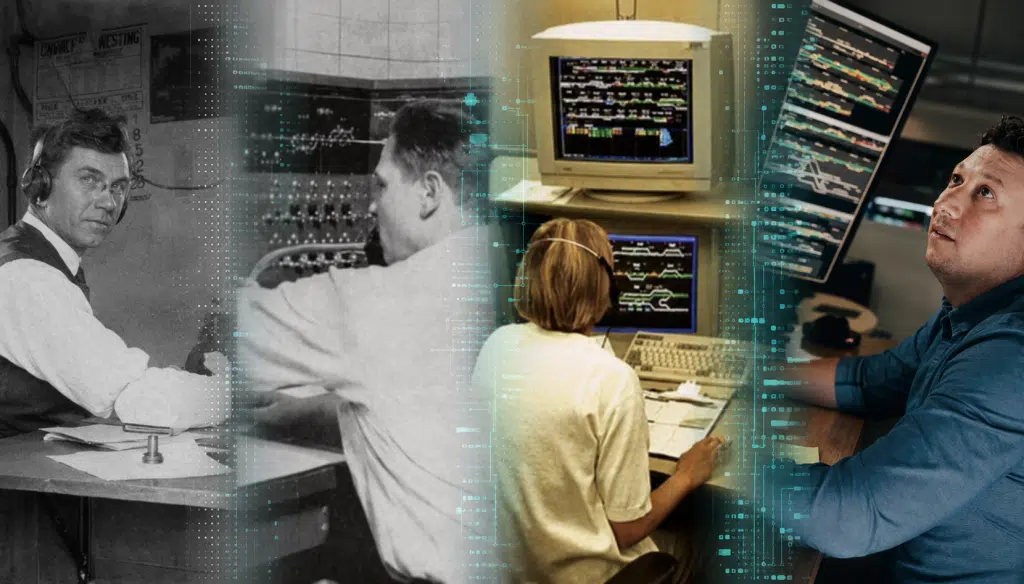
For nearly 200 years, railroad jobs have evolved alongside railroad technology. As innovation transformed the industry, employees developed new skills, adopted new tools, and took on new responsibilities. The result has been a workforce that is more skilled, more capable, and safer than ever before—and an industry that has evolved from one of America’s most dangerous workplaces into one of its safest.
How Freight Railroads Shaped America’s Defining Eras
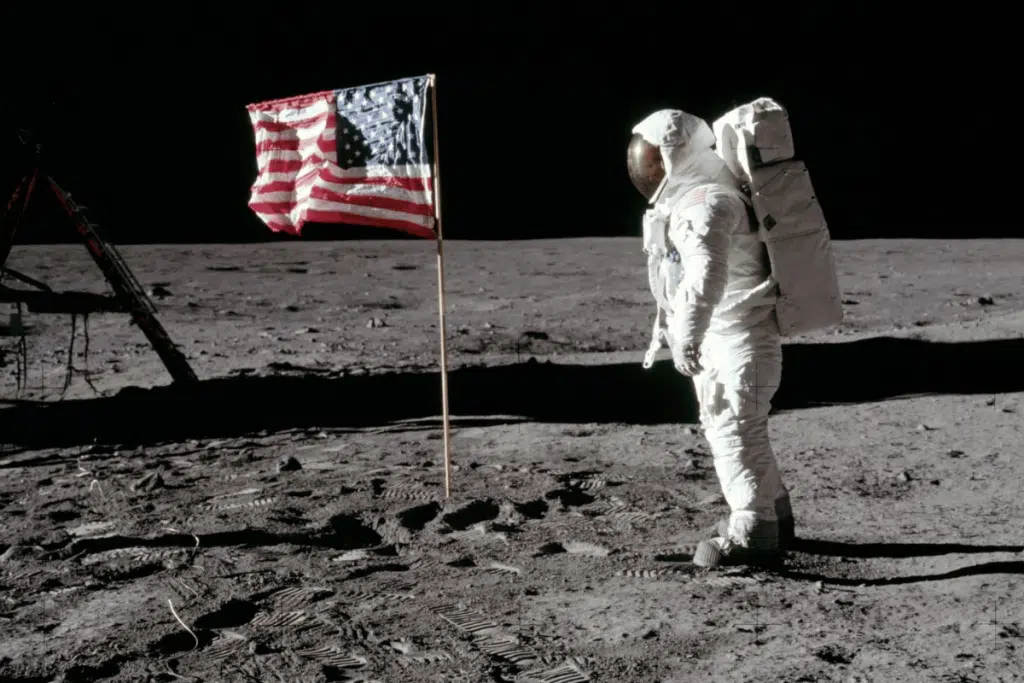
From the automobile boom and the first supermarkets to suburban neighborhoods, the Moon landing, globalization, e-commerce, and today’s AI revolution, many of America’s defining moments depended on something rarely seen: the ability to move massive quantities of raw materials, products, and equipment where they were needed, when they were needed.
How Freight Railroads are Celebrating America250
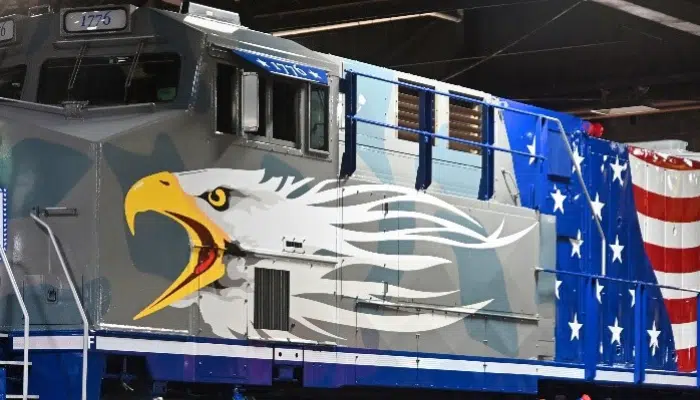
Some of the most iconic locomotives in railroad history were created for America’s 1976 Bicentennial. Now, 50 years later, a new generation of America250 locomotives is carrying that patriotic tradition across the country.
Explore Freight Rail of the Past
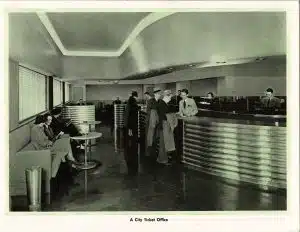
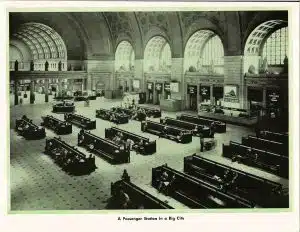
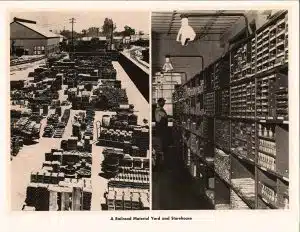
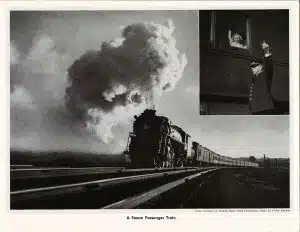
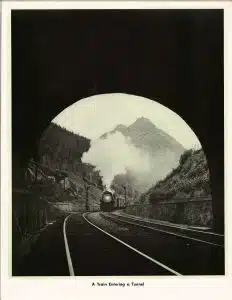
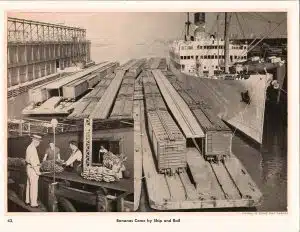
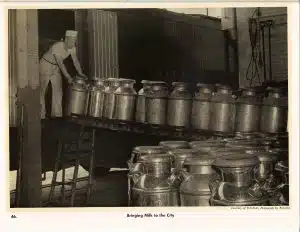
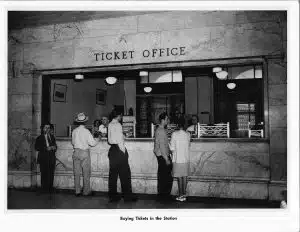
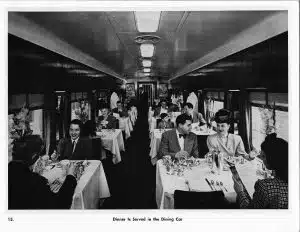
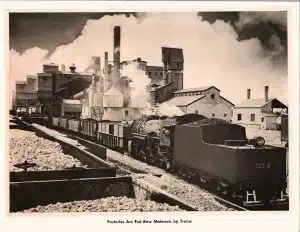
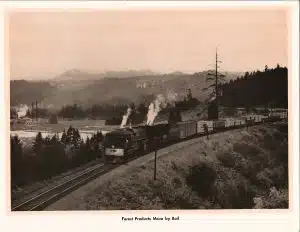
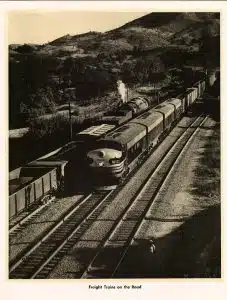
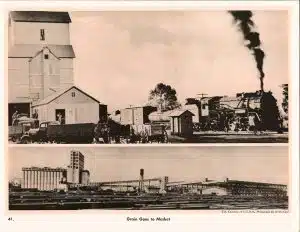
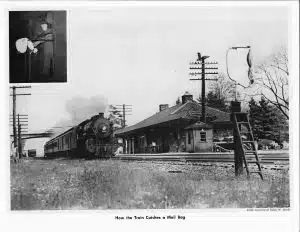
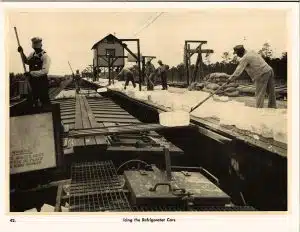
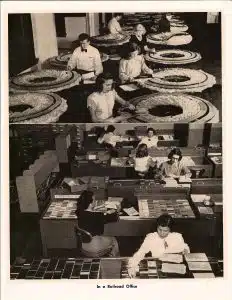
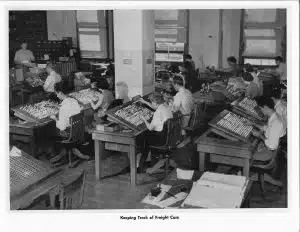
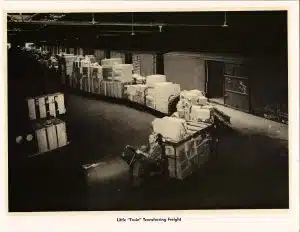
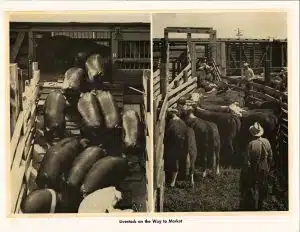
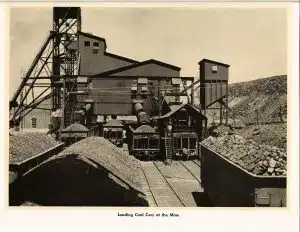
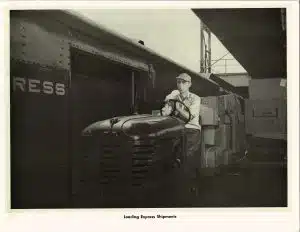
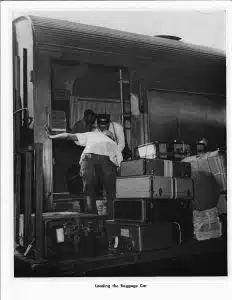
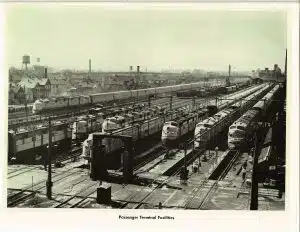
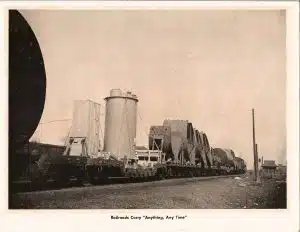
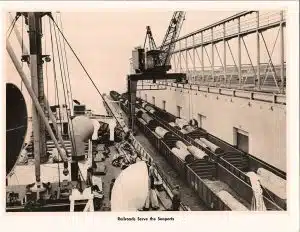
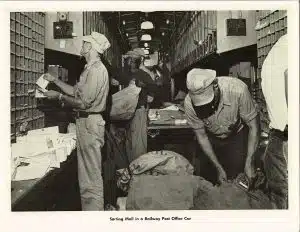
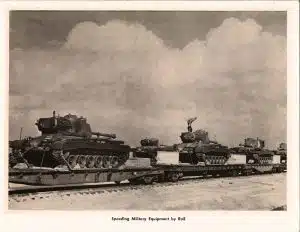
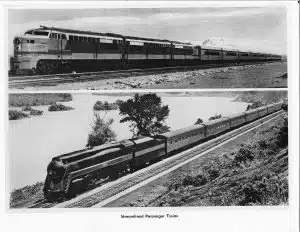
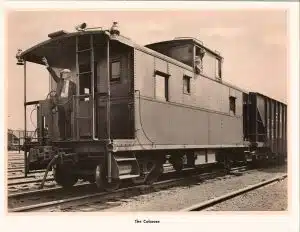
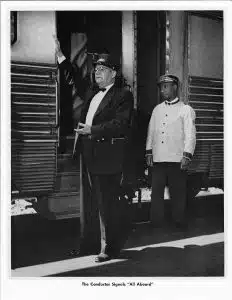
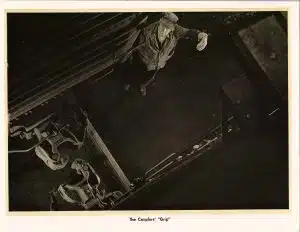
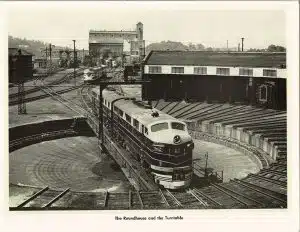
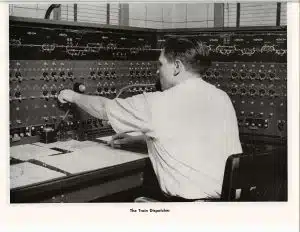
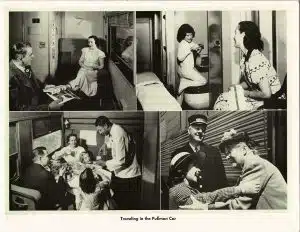
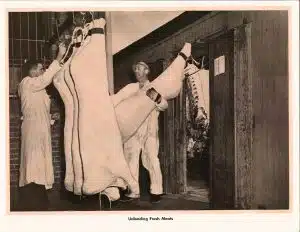
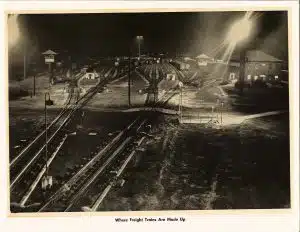
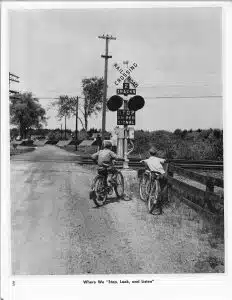
In the 1950s, the Association of American Railroads distributed Railroad Transportation Teacher’s Kits to schools across the country, helping students understand how railroads connected farms, factories, cities, and ports — powering American industry and everyday life. Filled with photographs, maps, and classroom materials, the kits captured an era when railroads symbolized progress, innovation, and mobility.
Today, freight railroads continue that legacy using advanced technology, modern infrastructure, and cutting-edge logistics systems to move the goods that keep America running. These historic images, which are from the 1918-1963 Ralph W. Brafford Collection, offer a glimpse into how far the industry has evolved — and how essential rail remains to the nation’s future.