KEY FACTS
- Amtrak, commuter rail, and freight rail form an interconnected U.S. network.
- Over 70% of Amtrak’s travel occurs on tracks owned by freight railroads.
- Freight rail is largely private and self-funded, while Amtrak and commuter systems depend on government support.
The comprehensive overview below explores the three rail systems that operate on the national rail network: intercity passenger rail (Amtrak), commuter rail and freight rail. From Amtrak’s vital role in connecting cities to commuter rail’s impact on local communities and the unparalleled productivity of freight railroads, the intricate rail network moves people and goods, promotes sustainability and drives economic growth.
Important to Note: European and American rail systems differ in infrastructure, train characteristics and operations. America’s freight rail network is highly efficient and holds a substantial share of the transportation market. European railroads receive more government subsidies for both freight and passenger services. Discussions about European trains in the U.S. often focus on passenger rail, where European services dominate the market compared to the United States.
Intercity Passenger Rail (Amtrak)
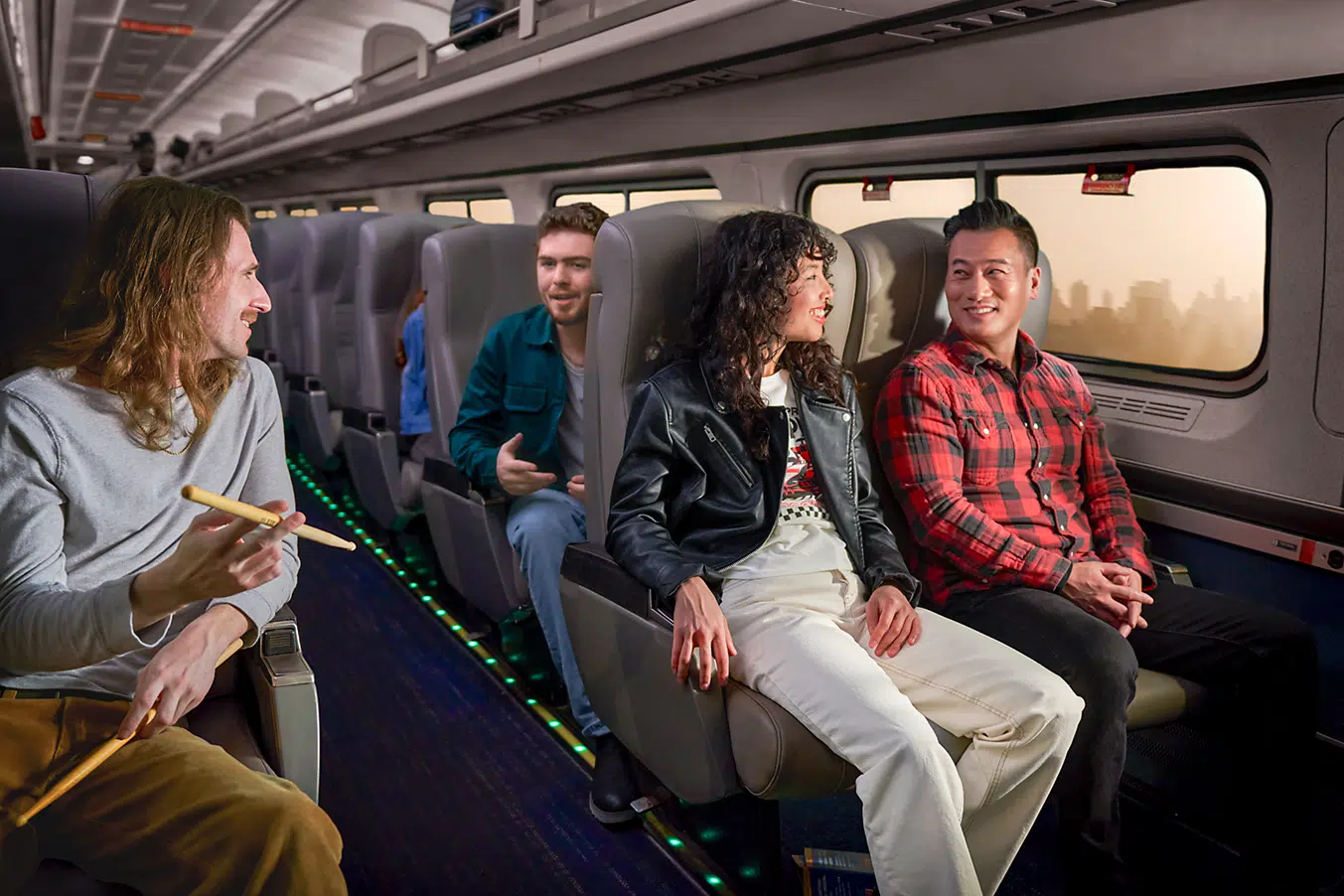
Intercity passenger rail primarily refers to Amtrak’s intercity passenger services that connect people from one city to another. Congress created The National Railroad Passenger Corporation — also known as Amtrak — in 1970 to continue and improve intercity passenger rail for the nation.
Headquartered in Washington, D.C., Amtrak is an important part of America’s surface transportation system, providing an environmentally friendly way for millions of people to reach their destinations each year. In fact, Amtrak is 47% more energy efficient than traveling by car and 33% more energy efficient than domestic air travel on a per-passenger-mile basis.
Operations
Amtrak operates passenger trains nationally through three service lines: Northeast Corridor (NEC), Long-Distance, and State-Supported routes. The NEC, spanning 457 miles from Washington, D.C., to Boston, is heavily traveled, hosting various services and commuter rail operations. Amtrak operates 15 long-distance routes over 750 miles in 39 states and 28 state-supported routes under 750 miles in 17 states.
While owning 623 route miles, primarily in the Northeast, Amtrak manages an additional 229 route miles in Michigan and New York. Over 70% of Amtrak’s travel occurs on tracks owned by freight railroads. Amtrak’s relationship with host railroads is governed by federal statutes and negotiated agreements, specifying key terms like schedules and performance standards. Dedicated staff from both Amtrak and host freight railroads collaborate to manage operations.
Ownership & Funding
The federal government created Amtrak in 1970 and owns all preferred shares of Amtrak stock, while the President of the United States appoints its board of directors, which are subject to confirmation by the U.S. Senate. Amtrak relies on federal funding for most of its capital expenditures. Currently, the federal government’s contribution to Amtrak is subject to annual appropriations.
Comparing Amtrak & Freight Railroads
| Amtrak | Freight Railroads |
| Primarily federally owned; connects large and small communities throughout the nation. | Privately owned; accounts for 40% of freight on a ton-mile basis. |
| More than 170,000 employees help move tens of millions of people annually. | The total Class I rail employment in September 2024 was 120,399. |
| Over 21,000 miles of track, mostly owned by freight railroads. | Nearly 140,000 mile private network. |
| Tickets and state support covers most but not all operating costs. | Average of $25 billion privately invested back into the network. |
| Will help meet expected 24% national population growth over next 40 years. | Will help meet expected 30% increase in freight demand over next 20 years. |
| A safe way to move passengers. | The safest way to move freight over land. |
| 47% more energy efficient than traveling by car. | 3-4 times more fuel efficient than trucks, on average. |
| Needs adequate funding for growth and maintenance. | Needs ability to continue privately investing. |
Commuter Rail

Commuter rail is a form of passenger rail service that traditionally operates within a metropolitan area connecting suburban or “commuter towns” with a central city. Public transit plays a major role in fueling America’s economy, with most transit trips connecting employees to work and consumers to retail and entertainment venues.
Commuter trains typically operate mainly on weekdays, with the highest frequency during morning and evening commute hours, and many have reduced weekend service. Most riders make trips of less than 50 miles for work, school or errands, although some commuter operations provide services for considerably longer distances.
Operations
According to the American Public Transportation Association, 32 nationwide agencies operate commuter railroads. Some operate their own trains, while others contract out for the service. Some major commuter railroads include the Long Island Rail Road (LIRR) and Metro-North in New York and Connecticut; the Maryland Area Regional Commuter (MARC); the Virginia Railway Express (VRE); Metra in Chicagoland and Metrolink in the Los Angeles region.
Half of the commuter systems operate at least partially on freight-owned tracks, and approximately 25% of the miles commuter railroads operate are owned by freight railroads or, in the case of the NEC, Amtrak. Before operating on freight-owned property, the freight and commuter railroads reach voluntary agreements governing the relationship, including hours of operation, access and number of trains. These partnerships have led to significant growth in commuter rail, increasing from six commuter rail systems 40 years ago to 27 today.
Ownership & Funding
Generally, commuter railroads are owned by state authorities or agencies. Half of commuter systems operate at least a little on freight track, but the combination of freight railroads and Amtrak is not most of the miles on which commuter rail operates. Funding for commuter railroads typically comes from federal funds from the Federal Transit Administration (FTA) as well as state and local funds and fares.
Freight Rail
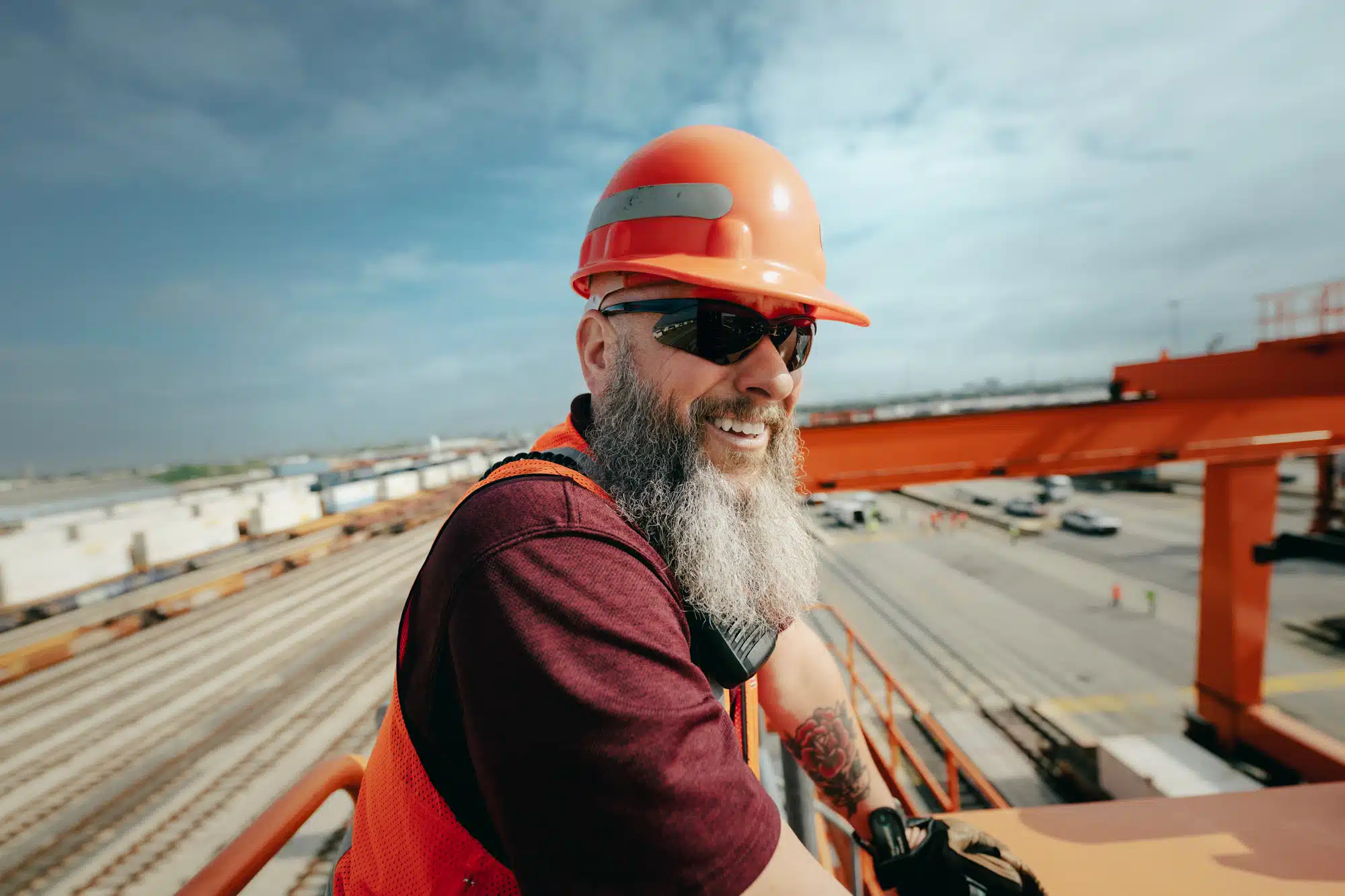
America’s freight railroads are the most productive and cost-effective in the world, connecting consumers and businesses across the country and the world while benefitting the environment and promoting safety. Shippers from nearly every industrial, wholesale, retail and resource-based sector of the U.S. economy rely on freight railroads to move their raw materials and finished goods to market domestically and globally. Freight rail accounts for around 40% of long-distance ton-miles — more than any other mode of transportation.
Operations
Operations are fully integrated across the North American rail network. The U.S. rail network consists of approximately 630 mostly privately-owned railroad companies. There are two major categories of freight railroads:
- Class I: The six Class I railroads are the largest railway carriers, and account for the majority of the rail infrastructure in the country. Outside of the Northeast Corridor, Class I owned tracks host much of Amtrak’s intercity passenger rail operations and, in many places, also host commuter rail operations.
- Short Lines: Approximately 630 short line railroads (Class II and III) operate over approximately 45,000 route miles in 49 states. Short line rail service connects farmers and businesses to the national railroad network for large areas of the country, particularly for small town rural America.
Ownership & Funding
America’s freight railroads overwhelmingly own, build, maintain, operate and pay for their infrastructure with little government assistance. With balanced economic regulation, America’s freight railroads spend well over $25 billion a year on capital expenditures and maintenance expenses. These include locomotives, freight cars, tracks, bridges, tunnels and other infrastructure, equipment and technology. On average, freight railroads spend six times more on capital expenditures as a percentage of revenue than the average U.S. manufacturer.
THE BOTTOM LINE
Freight railroads and Amtrak operate a shared network, where most passenger trains run on privately owned freight tracks. Strong coordination, clear policies, and continued investment are essential to balance freight efficiency with reliable passenger service, ensuring both systems support a safe, connected, and efficient national transportation network.