Key Facts
- About 1 in 6 rail employees is a military veteran.
- Military experience often translates well to freight rail careers because of similarities in the work and skills required.
- Railroad employees have a median tenure of nearly 14 years.
America’s freight railroads have a longstanding connection to the U.S. military, supporting national defense by moving military equipment, vehicles, supplies and other defense-related materials across the country. From the Civil War through World War II and today, rail has played an important role in military readiness.
That connection extends to the people who keep the rail network moving. About 1 in 6 rail employees is a military veteran, continuing a tradition that stretches from early West Point graduates who helped build the industry to Civil War veterans who worked on the transcontinental railroad.
It’s a natural fit. Military service develops many of the same skills freight railroads depend on every day: discipline, teamwork, adaptability, leadership, problem-solving and a strong focus on safety. Freight rail is also a 24/7 operation where employees work in teams, follow exacting procedures, operate sophisticated equipment and make decisions in changing conditions.
Those skills translate across a wide range of railroad careers, from transportation and engineering to mechanical operations, telecommunications, dispatching, technology and management. Railroads also partner with the military to help servicemembers transition into railroad careers and support employees who continue to serve in the Guard and Reserve.
Transition Support from Class I Railroads
The experiences veterans bring to freight rail are as varied as the jobs themselves. That’s why railroads have developed recruiting programs, transition opportunities and resources specifically for veterans, servicemembers and reservists. Explore more from the Class I railroads below:
From Veteran to Railroad Employee: The Mission Continues
Meet a few of the dedicated freight rail employees with military backgrounds.
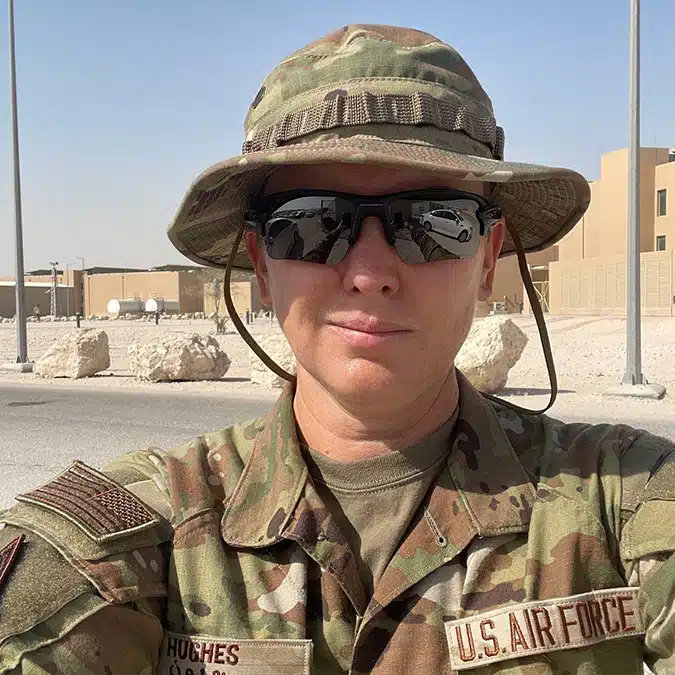
A 19-year railroad employee and four-year Air Force Reservist, Holly Hughes works as a special projects manager for signal systems at BNSF. In the Reserves, she serves as a crew chief maintaining KC-135 Stratotankers and preparing them for flight.
“Serving is important to me because it allows me to be part of something bigger than myself. My father served in Vietnam, and growing up with that example gave me a deep respect for the sacrifices made by those who serve. Being able to follow in that spirit of service and do my part to help protect our country and support a secure future for my family means a great deal to me.”
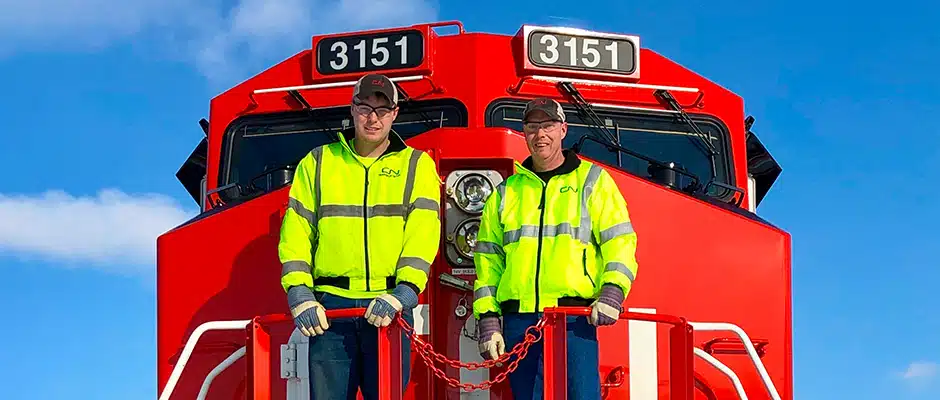
For father and son Jason Elm and Dave Elm, the connection between military service and railroading is especially direct. Both work for Canadian National and serve in the U.S. Army Reserve’s 757th Expeditionary Railway Center, a specialized rail operations unit.
“I always say that the railroad is like the military without a uniform,” Jason says.
He points to the importance both place on procedures, situational awareness and looking out for the safety of others. Dave Elm sees another connection:
“Those in the military face long hours, tough weather and time away from home. We can easily handle these types of challenges on the railroad.”
After leaving the military, Samantha Borushaski struggled to find a career where she felt she belonged. She found that fit at CPKC, where she began her rail career as a conductor trainee in Kansas City.
“When I came to the railroad it was something that really came naturally for me. I enjoyed the work and I enjoyed the people.”
Military experience gave Mike Drummond a foundation in leadership, dedication and teamwork that carried naturally into freight rail. Today, as Manager of Train Operations at CSX, those same skills help Drummond lead people and operations on the railroad.
U.S. Army veteran Kenneth Rains turned his military transportation experience into a civilian career in freight rail. Today, as Director of Intermodal Customer Logistics at Norfolk Southern, Rains has continued building a career around transportation and logistics.

After eight years in the U.S. Navy, Antonio Marquez brought the discipline and safety focus of military service to Union Pacific, where he works as a conductor in San Antonio. A fellow Navy veteran encouraged Marquez to consider a railroad career.
“It’s fun, I love working for UP. It’s different every day. It keeps you on your toes and engaged. While I go on the same route, no two trains are the same.”
The Bottom Line
Freight rail and the U.S. military have a longstanding connection, from supporting military readiness to providing veterans with meaningful careers after service. With about 1 in 6 rail employees having served in the military, veterans remain an important part of the workforce that keeps America moving.