Below is the latest edition of The Signal ™ — our biweekly newsletter delivering freight rail news, insights, and interesting facts. Enjoying it? Subscribe to get the email sent straight to your inbox every other week. You can also check out past editions here.

Taking a Coffee Break with MxV Rail’s Kari Gonzales
From AI and automation to wayside detectors and the future of freight rail, MXV Rail President and CEO Kari Gonzales explores how innovation is making one of America’s oldest industries safer and smarter.
Discover how research moves new technologies from the test track to the main line, why people remain at the center of every technological advancement, and what it takes to build the railroad of the future. Plus, hear why her advice for the next generation is simple: Be gritty.
Shaping the Eras that Defined America
From the automobile boom to the moon landing, America’s defining eras have relied on moving enormous quantities of materials, products, and equipment.
For nearly 200 years, freight rail has helped make those moments possible by powering industries, strengthening supply chains, and keeping America moving through periods of growth, innovation, and national challenge.
Below is a brief excerpt from this in-depth article. Prefer to listen? A narrated version (done by a real human) is also available on the webpage.
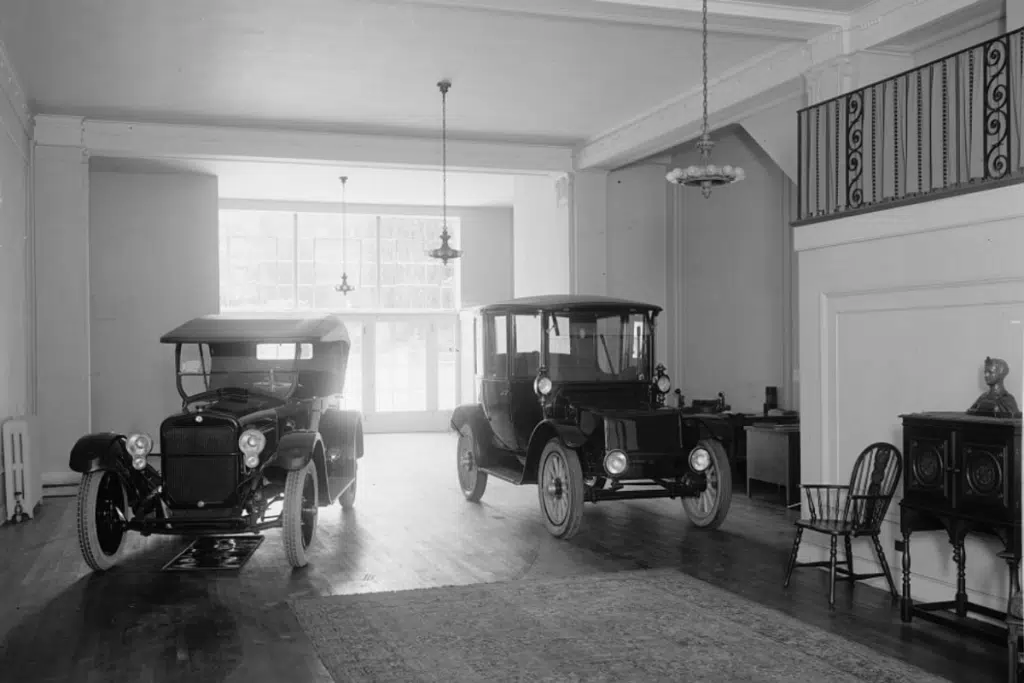
By 1929, more than 23 million vehicles were on American roads, fueling one of the greatest economic booms in U.S. history. Today, freight rail moves nearly 75% of all new cars and light trucks sold in America.
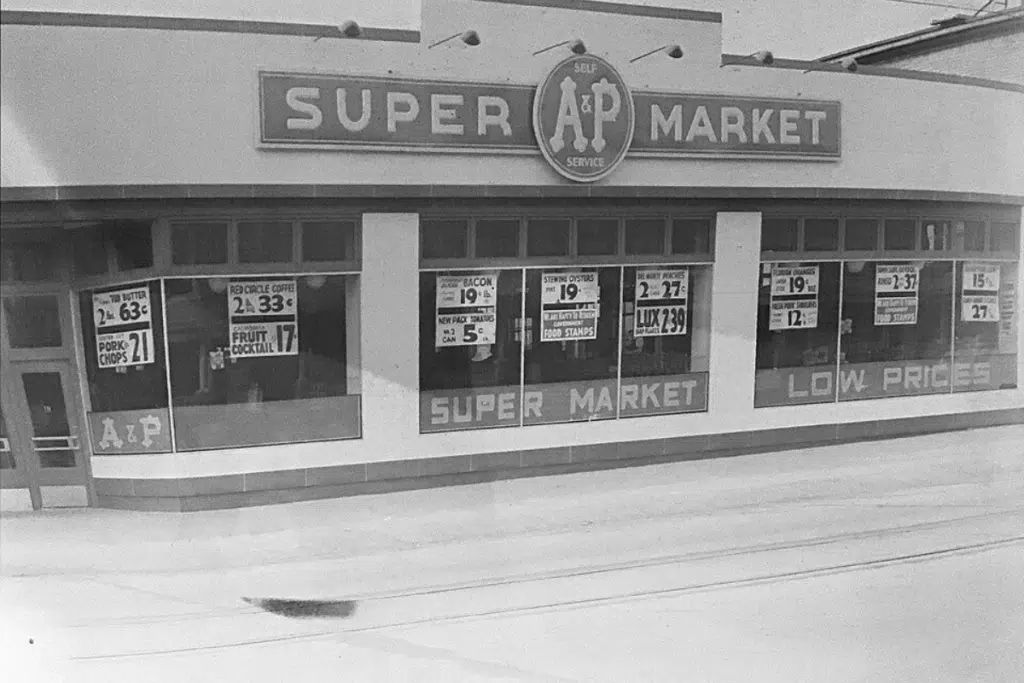
The Great Depression fueled the rise of supermarkets, which freight rail made possible by connecting farms to stores nationwide. Today, railroads still move millions of carloads of food each year.
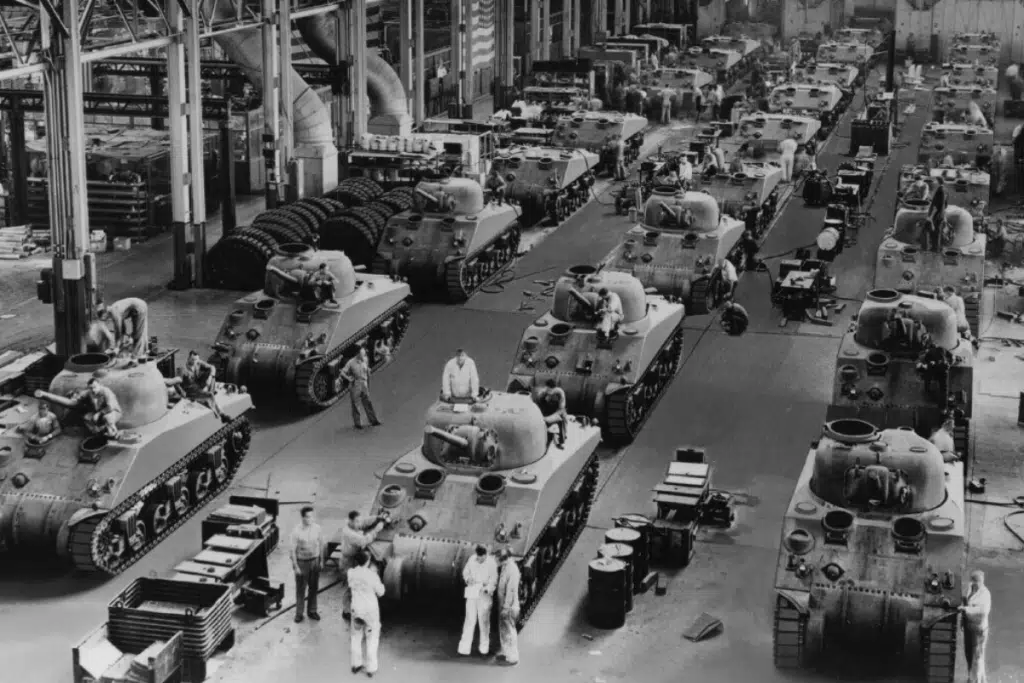
During World War II, railroads moved the troops, fuel, raw materials, and military equipment that powered the Allied victory. Today, freight rail continues to move military equipment.
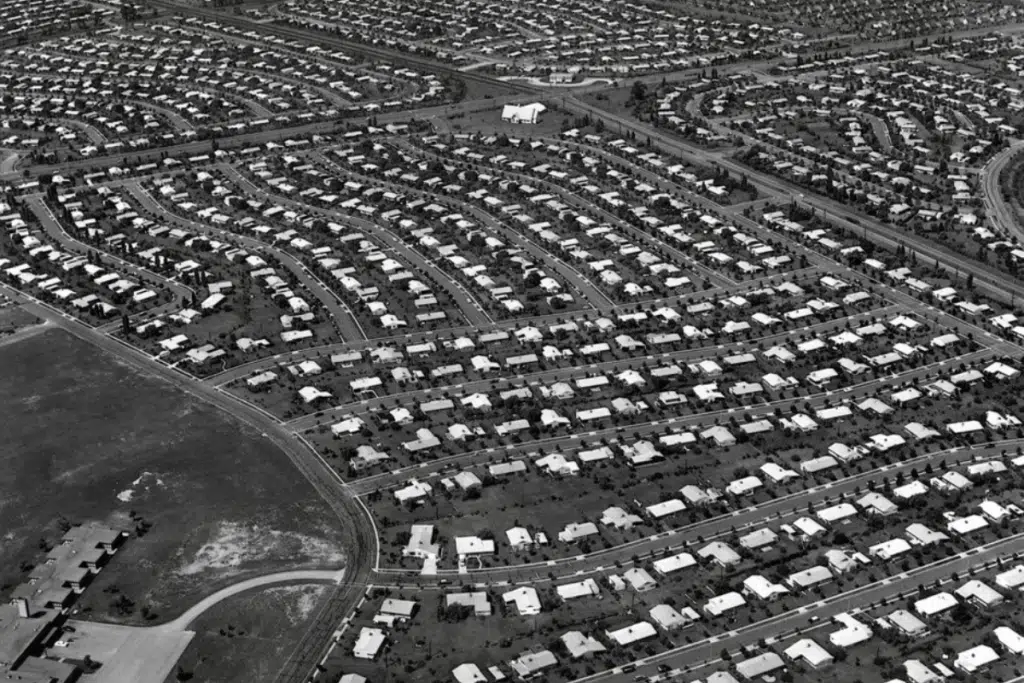
After World War II, freight rail helped build the suburban dream and still continues to move more than two million carloads of construction materials each year.
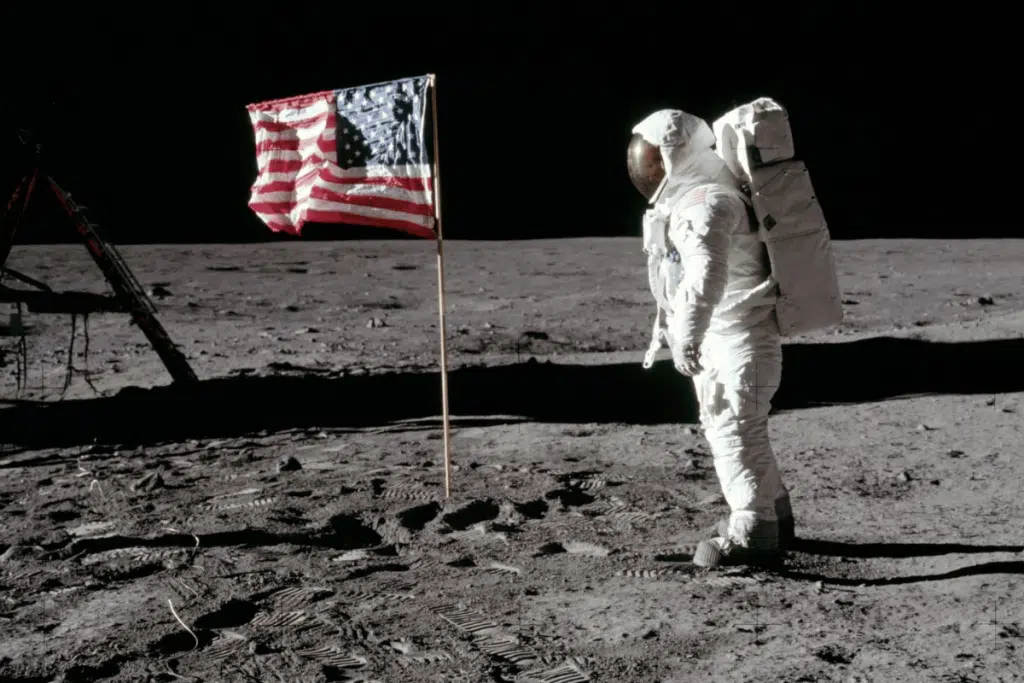
The 1969 moon landing depended on one of the largest industrial efforts in history, which freight rail helped support. Today, freight rail moves oversized rocket and spaceflight components.

The 1970s energy crisis made conservation a way of life and highlighted the value of freight rail, which today can move one ton of freight nearly 500 miles on a single gallon of fuel.

As shopping malls flourished in the 1980s, freight rail’s expanding intermodal network helped retailers move products more efficiently from ports to stores, transforming modern retail logistics.
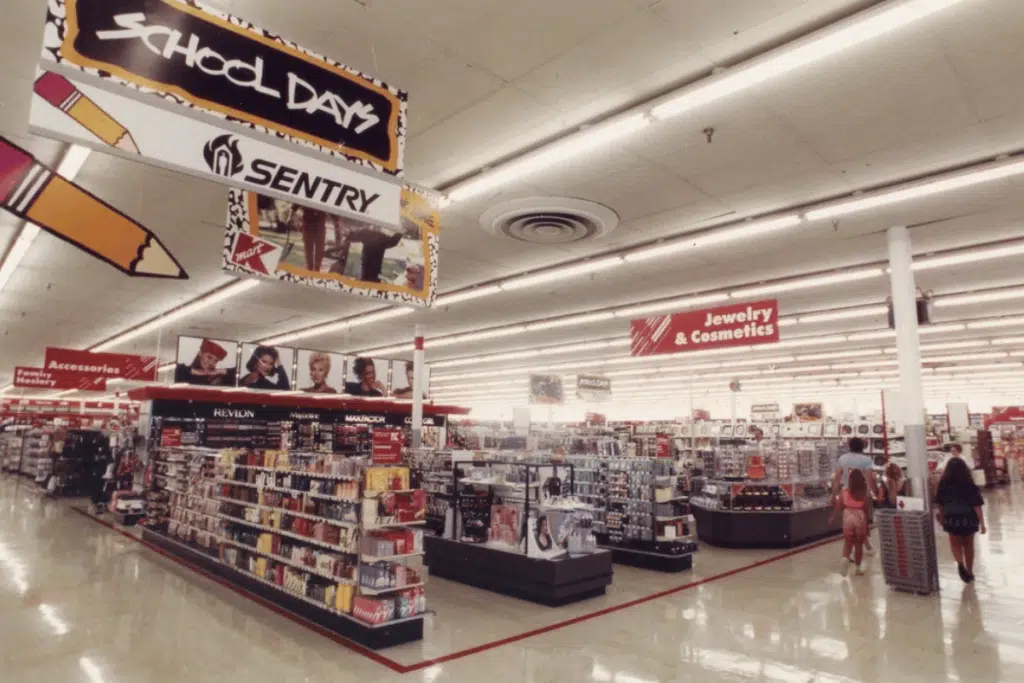
With globalization accelerating in the 1990s, freight rail expanded the intermodal network that connected ports, manufacturers, and inland markets, helping build the global supply chains Americans rely on today.

As e-commerce reshaped retail in the 2000s, freight rail’s intermodal network became the long-haul backbone connecting ports, warehouses, and distribution centers across the country.
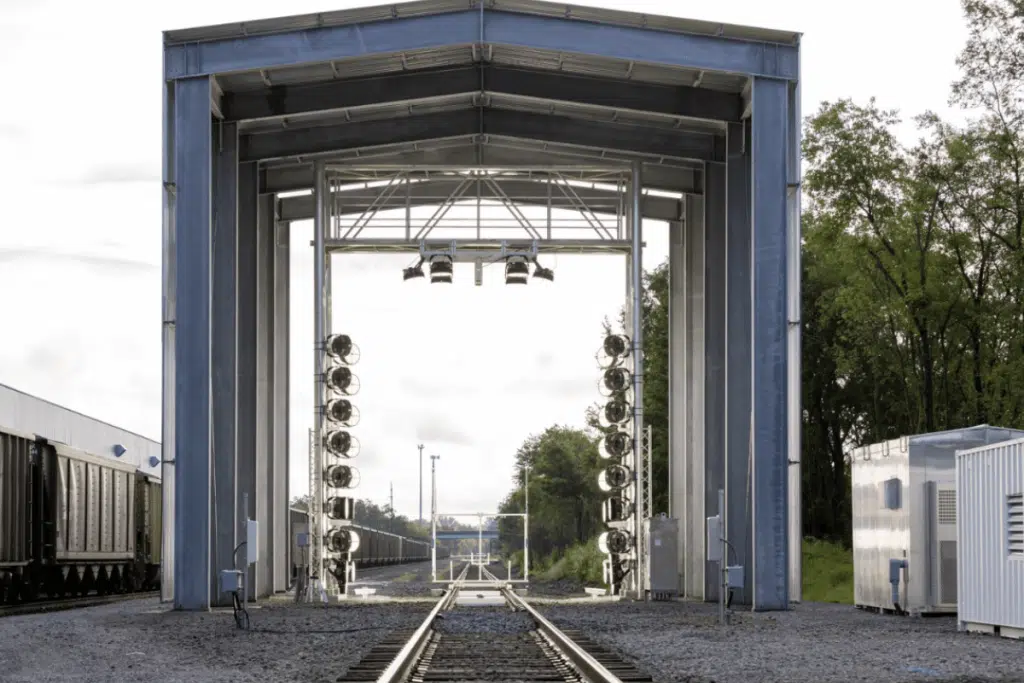
Today, freight rail is embracing AI, using it to inspect infrastructure, optimize operations, and strengthen the safety and reliability of the nation’s supply chain.
America250 Commemorative Locomotives
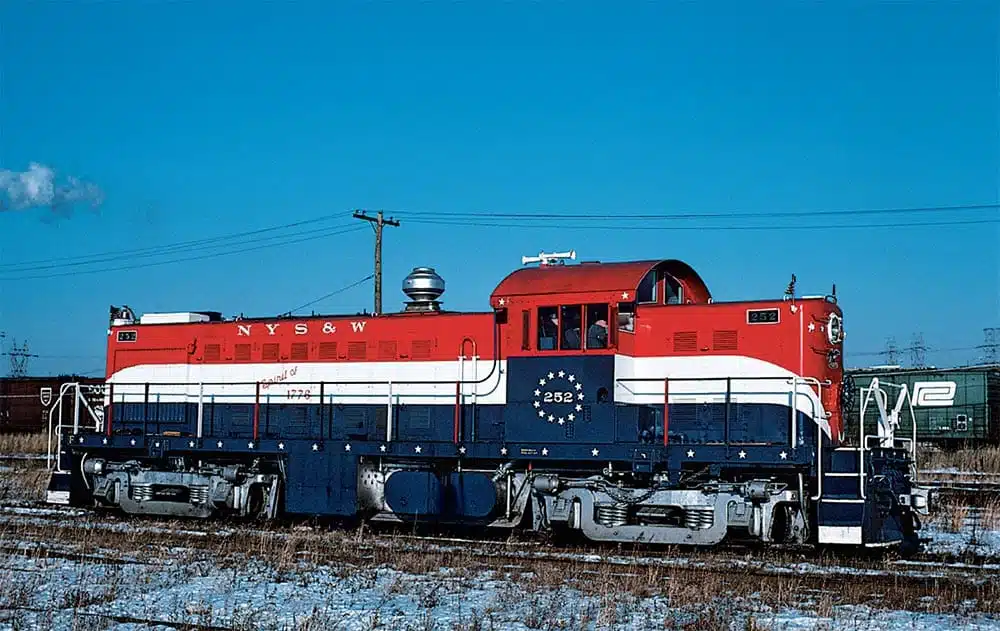
When the United States celebrated its Bicentennial in 1976, railroads across North America joined the festivities by painting more than 100 locomotives in patriotic colors and designs. From Western Pacific and Seaboard Coast Line to Conrail and Amtrak, the special locomotives became rolling symbols of the nation’s 200th birthday.
Fifty years later, America’s freight railroads are reviving that tradition with a new generation of America250 locomotives honoring the nation’s past while continuing to move the goods that power its future.
👆 The photo above shows a New York, Susquehanna and Western Railway Alco RS-1 locomotive featuring a special Bicentennial paint scheme, photographed by James P. Marcus.
Freight Rail Economic Perspective
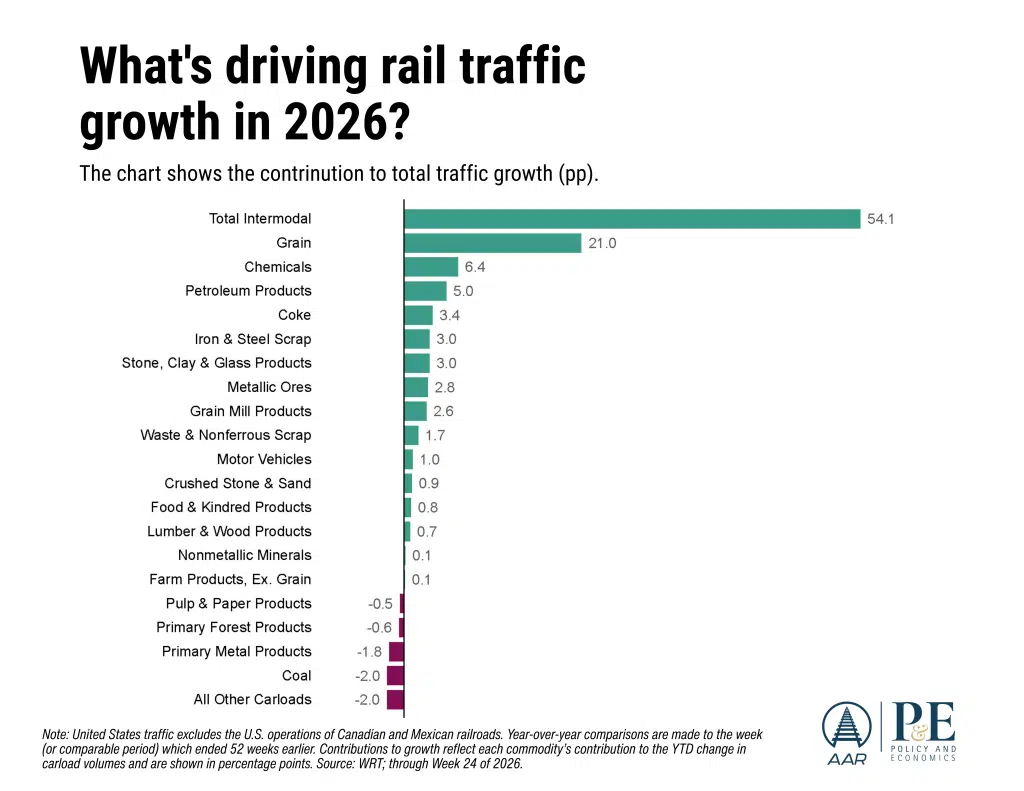
What can freight rail tell us about the economy? According to AAR Chief Economist Rand Ghayad, quite a lot.
In his mid-year perspective, he explains why freight movements often reveal economic shifts before the headlines do. While much of 2026 has been defined by concerns over inflation, trade uncertainty, and slowing growth, rail traffic told a different story—one of a more balanced and resilient economy.
INDUSTRY READS
- AXIOS: Trump cancels housing affordability bill signing until SAVE Act is passed
- WALL STREET JOURNAL: Rising Trucking Rates Drive U.S. Companies Back to the Railroad
- TRAINS: Soldiers train on Intramotev TugVolt autonomous railcar to move military cargo
- WBALTV 11: Baltimore celebrates completion of expanded Howard Street Tunnel for double-stack port operations
- WASHINGTON EXAMINER (COMMENTARY): How BUILD America 250 Act would create massive risk and costs to the public