KEY FACTS
- Freight rail is the safest way to move goods over land.
- It delivers essential raw materials and finished goods nationwide, supporting jobs, industries, and daily life.
- Freight railroads privately invest $25 billion back into their networks annually.
🎧 Listen to this page narrated by a real person • 4 min 34 sec Find the full transcript at the bottom of this page.
Freight rail keeps America moving, hauling the raw materials and finished goods that power the economy—from grain and energy to vehicles, chemicals, building materials, and consumer products.
As the backbone of long-distance freight transportation, rail connects ports, factories, warehouses, and distribution centers, helping keep supply chains efficient while offering one of the safest and most fuel-efficient ways to move large volumes of cargo. Privately owned freight railroads invest billions in their own infrastructure, technology, and safety systems, supporting hundreds of thousands of skilled jobs and playing a critical role in U.S. commerce.
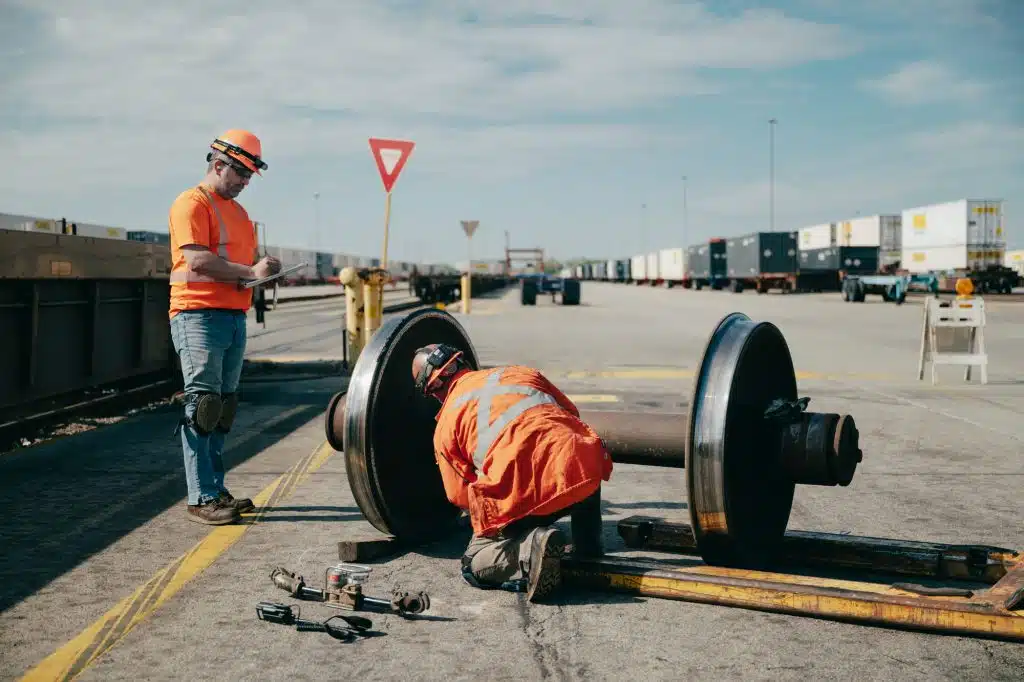
Who funds freight railroads?
Freight railroads largely fund themselves. Since 1980, freight railroads have privately invested $810 billion—over $25 billion annually—to maintain and enhance the safest, most efficient freight network. These private investments reduce reliance on taxpayer dollars, easing congestion, lowering road maintenance costs, and strengthening the network to support business growth, customer needs, and climate resilience.
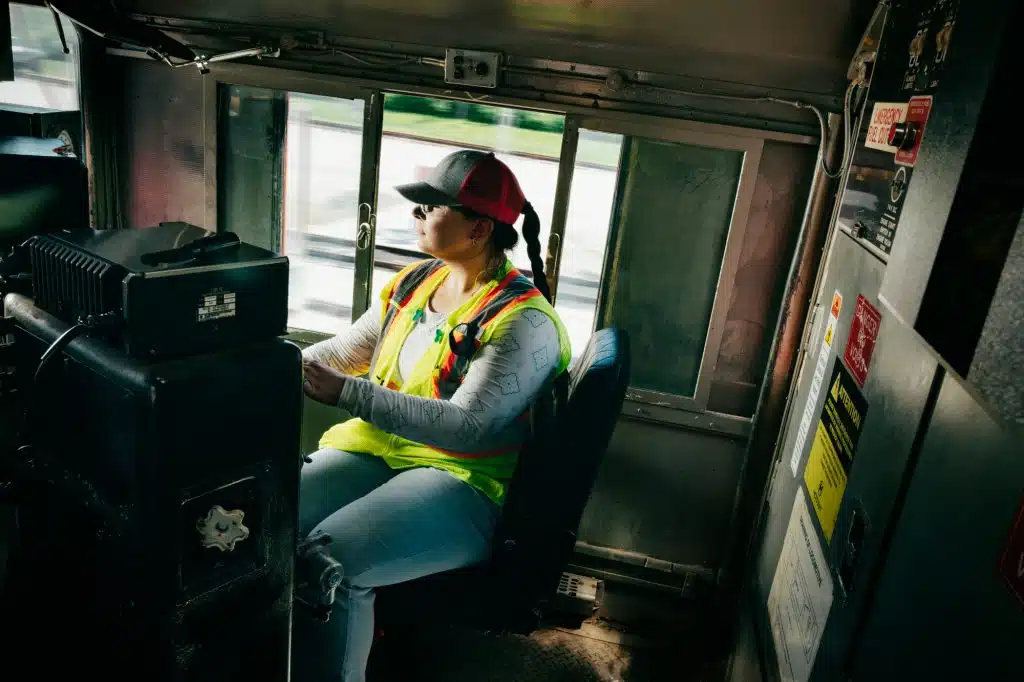
Are freight railroads safe?
Freight railroads are the safest way to move goods over land. Railroads collaborate daily with employees, suppliers, customers, and officials to ensure network and community safety. Their holistic approach includes modernizing infrastructure, training employees, advancing technology, supporting first responders, and securing physical and digital networks. Billions in annual private investments drive these efforts and have helped reduce the Class I mainline accident rate 44% since 2005.
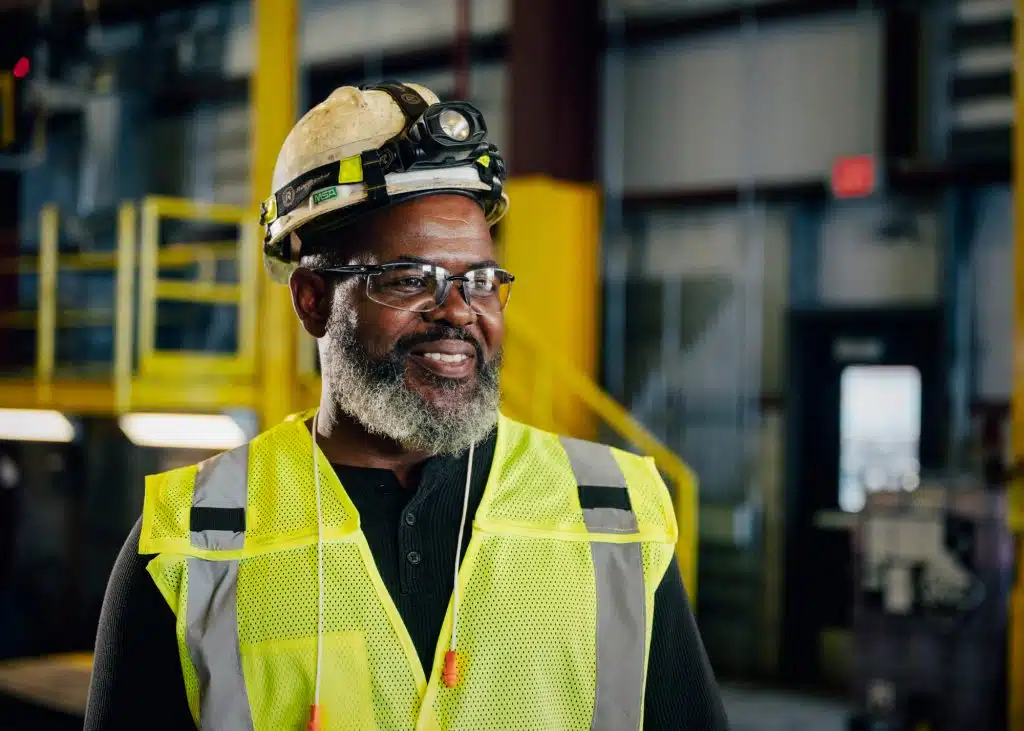
Are freight railroad jobs good jobs?
Freight rail employees are among the best-compensated workers in the nation. The average Class I railroad employee’s annual pay and benefit package is valued from $135,000 to almost $190,000. Always prioritizing safety, the freight rail industry is one of the safest industries to work in the nation; its even safer than grocery stores. And as a vital partner in U.S. military operations for nearly 200 years, railroads actively hire veterans.

How important are freight railroads to the economy?
Freight railroads are critical to America’s economy. Every $1 invested drives $2.50 in economic activity, and every rail job supports nearly four more across manufacturing, logistics, and technology. With 153,000 direct employees and 749,000 supported jobs nationwide, rail delivers high-paying careers, contributes $14.1 billion in retirement benefits, and remains a pillar of America’s competitiveness and resilience.
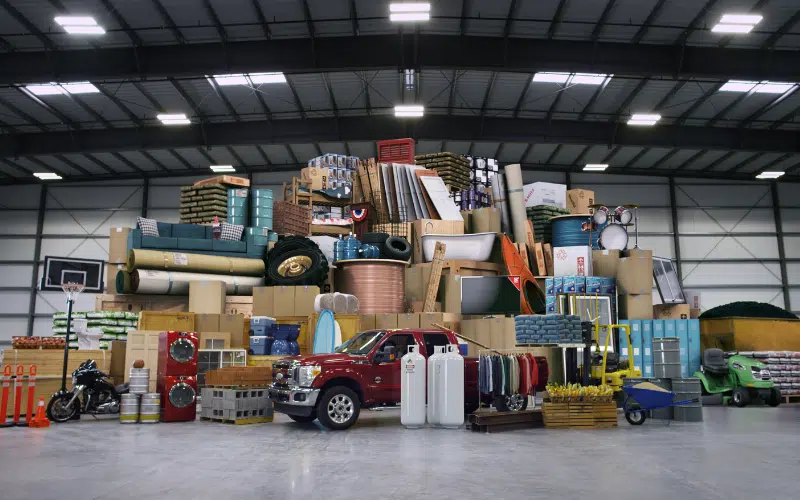
What do freight railroads move?
Operating across 49 states and D.C., freight railroads move goods essential to the economy and daily life. They transport intermodal containers, chemicals, agricultural products, autos, construction materials, pulp, paper, and energy resources like ethanol, crude oil, and coal. By ensuring efficient freight movement, railroads sustain America’s economy and keep the global supply chain running smoothly.

Do freight railroads use technology?
Freight railroads are at the forefront of technological advancement. They are integrating predictive analytics, automation, AI, and inspection systems to enhance safety, efficiency, and sustainability. With billions invested in infrastructure and technology, railroads are modernizing operations to meet the evolving demands of global supply chains while reducing environmental impact.
Are freight railroads good for the environment?
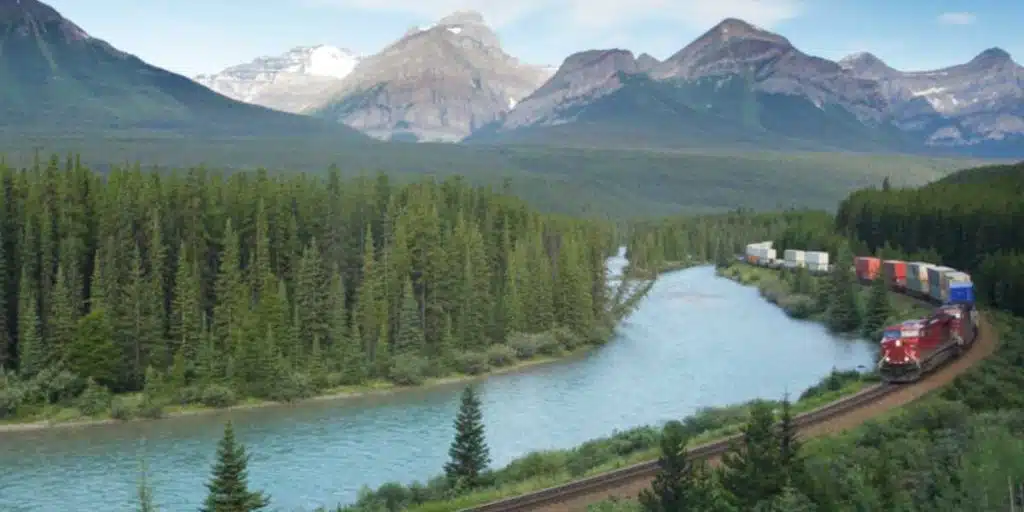
Freight railroads are the most fuel-efficient way to move goods over land. One train can move one ton of freight nearly 500 miles on one gallon of fuel. Engaging in technology, operational, and collaborative efforts, they work to reduce their already small share of greenhouse gas emissions from their yards and locomotives.
Where is the busiest freight rail hub?
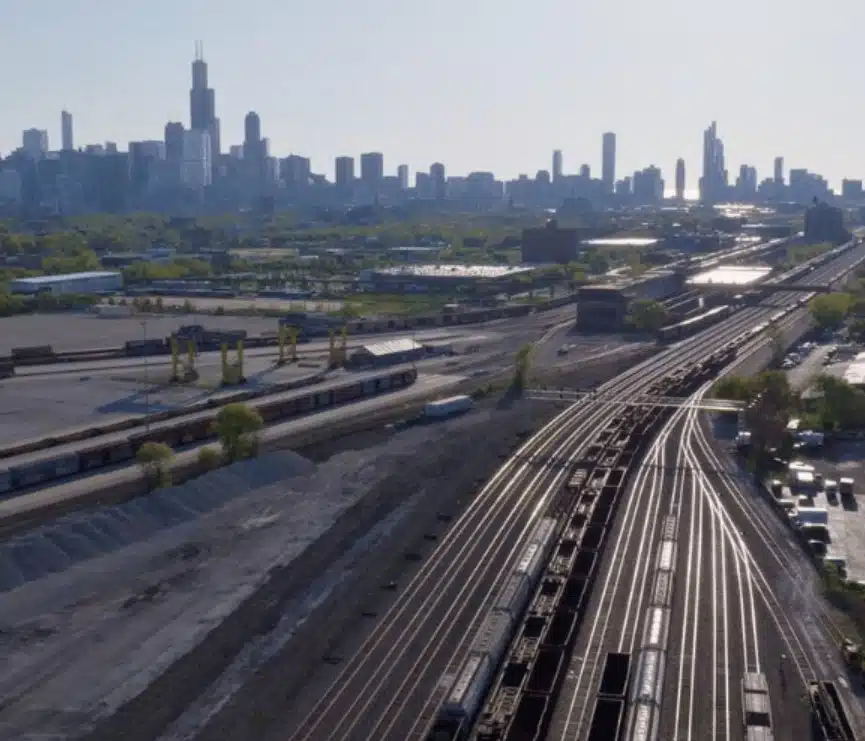
Chicago has been the nation’s busiest rail hub for 150 years. All Class I railroads and multiple passenger and commuter trains move through the Chicago region. To reduce congestion as freight and passenger demand rises, the CREATE Program, a gold-standard public-private partnership, enhances transportation efficiency, reduces congestion, improves air quality, and drives economic growth.
Are freight trains the same as passenger trains?
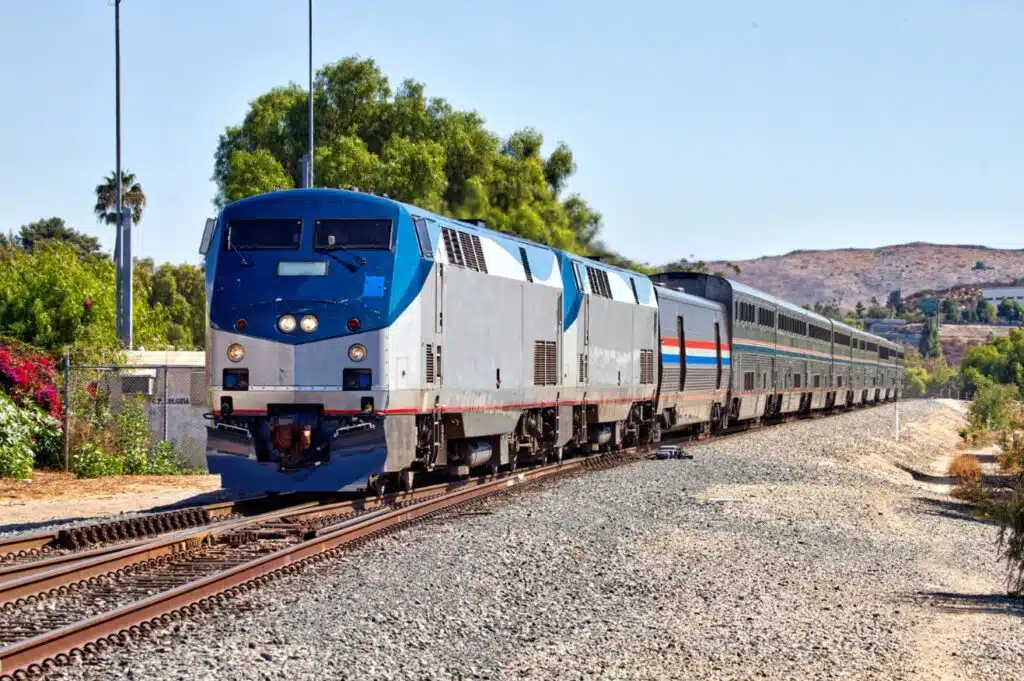
Freight trains and passenger trains are different. Freight trains move goods and raw materials while Amtrak moves people. Both types of railroads are critical to America’s economy. Freight railroads provide 70% of the train-miles operated by Amtrak, providing the literal foundation for this important passenger rail service.
Read the AAR Audio Narration
Freight Railroad 101
This is AAR Audio, and you’re listening to Railroad 101.
Freight rail is one of those industries that’s easy to overlook.
It’s been there for what seems like forever, quietly in the background moving the goods our economy depends on.
But behind every passing train is one of the largest, most efficient transportation networks in the world—one that touches nearly every product you use every day.
Whether you’re new to freight rail or simply curious about how it all works, here are some of the most surprising facts about the network that keeps America moving.
It starts with the network itself.
Freight trains operate in 49 states and Washington, D.C.
Together, America’s freight railroads privately maintain nearly 140,000 miles of track.
That network connects farms, factories, ports, warehouses, businesses, and communities across North America.
Then there’s what trains carry.
And…it’s almost everything.
Grain from America’s farms.
Steel for manufacturers.
Lumber for new homes.
Cars and trucks.
And we can’t forget intermodal shipping containers filled with consumer goods.
If it helps build, feed, fuel, or supply America, there’s a good chance freight rail moves it at some point in its journey.
Moving that much freight requires a huge amount of capacity.
A single freight train can carry thousands of tons of freight.
In many cases, one train can move the equivalent of several hundred truckloads.
That efficiency makes freight rail the backbone of long-distance freight transportation in the United States.
In fact, rail moves about 40% of the nation’s long-distance freight measured by ton-miles.
Trains are also the most fuel-efficient way to move goods over land.
On average, one train can move one ton of freight nearly 500 miles on a single gallon of fuel.
That’s roughly three to four times more fuel-efficient than trucks, on average.
Using less fuel lowers transportation costs and reduces emissions at the same time.
Safety is another defining part of freight railroading.
Decades of investment in infrastructure, technology, equipment, and employee training have transformed the industry from one of the most dangerous places to work in the early 19th century to one of the safest today. In fact, freight rail is the safest way to move goods over land, with derailments, equipment-caused accidents, track-caused accidents, and Class I injury rates falling to historic lows in 2025.
Technology plays a major role in those improvements.
Throughout its history, freight railroads have adopted new technologies, from the telegraph to mainframe computers. Today, modern freight railroads use machine vision, artificial intelligence, advanced sensors, and automated inspection systems to continuously monitor equipment.
Every day, the industry performs millions of automated inspections that help identify potential issues before they become problems.
Technology allows railroads to inspect more equipment, collect more data, and make better decisions than ever before.
There’s another fact that surprises many people.
Most freight rail infrastructure is privately owned.
Railroads build it.
Maintain it.
Upgrade it.
And overwhelmingly pay for it themselves.
Every year, freight railroads invest tens of billions of private dollars into track, bridges, locomotives, railcars, terminals, and new technology to keep the network strong and reliable.
Freight rail also works as part of something much larger.
The supply chain.
Raw materials move from mines and farms.
Manufacturers turn those materials into products.
Distribution centers receive them.
Retailers stock their shelves.
Throughout that journey, freight rail provides the long-distance connection that keeps goods moving efficiently across the country.
Centuries after the nation’s first freight railroads began operating, the mission remains the same:
Move goods safely.
Move them efficiently.
And connect the people, businesses, and communities that depend on them.
It’s a job most Americans rarely see.
But it’s happening every day.
And it’s one of the reasons the American economy keeps moving.
THE BOTTOM LINE
Freight rail is a safe, efficient, and privately funded backbone of the U.S. economy, moving essential goods across the country while keeping transportation costs low, supporting high-paying jobs, and strengthening supply chains. Through continuous investment, advanced technology, and strong safety performance, freight rail helps power economic growth, improve sustainability, and ensure reliable delivery of the products Americans depend on every day.