Below is the latest edition of The Signal ™ — our biweekly newsletter delivering freight rail news, insights, and interesting facts. Enjoying it? Subscribe to get the email sent straight to your inbox every other week. You can also check out past editions here.
Full Speed Ahead
ICYMI, AAR President and CEO Ian Jefferies testified last week before the Senate Commerce, Science and Transportation Subcommittee on Surface Transportation, Freight, Pipelines and Safety hearing, “The Need for Speed: How Technological Advances are Driving Transportation Innovation.”
The main message? Last year was the safest year on record across several key FRA metrics. Policymakers should support innovation and modernize regulations so rail can continue advancing safety, reliability, and economic competitiveness.
Railroads would like a word…

When most people hear “technology,” they often think smartphones, apps, or AI. But technology is simply the practical application of knowledge to solve problems. It’s also defined as “a machine, piece of equipment, method, etc. that is created by the practical application of scientific knowledge.”
By that definition, not only do freight railroads use technology; they are technology.
And like every successful technology, railroads have never stood still. For nearly 200 years, the industry has continuously evolved—from steam locomotives and air brakes to computerized dispatching, machine vision, and AI—all with the same goal: moving freight more safely and efficiently.
In fact, when it comes to AI specifically, railroads have been using forms of that technology for decades.
- 1950s: As computers emerged and AI became a formal field of study, railroads were among the industries exploring how computing could improve scheduling, traffic management, and operational planning.
- 1960s–1980s: Railroads used increasingly sophisticated computer models to optimize train dispatching, crew scheduling, and car routing. These systems automated complex decisions that previously required extensive manual analysis.
- 1980s–1990s: Early expert systems helped diagnose locomotive issues and support maintenance planning. Railroads also began using pattern recognition and rule-based systems to improve reliability and operational efficiency.
- 1990s: As computing power increased, railroads expanded the use of predictive analytics, automated inspection systems, train dispatching systems, and data-driven maintenance programs.
- 2000s: Machine learning, machine vision, and AI-powered inspection technologies became increasingly common, helping railroads automatically detect defects, predict failures, and improve safety.
Speaking of Modern Trains…
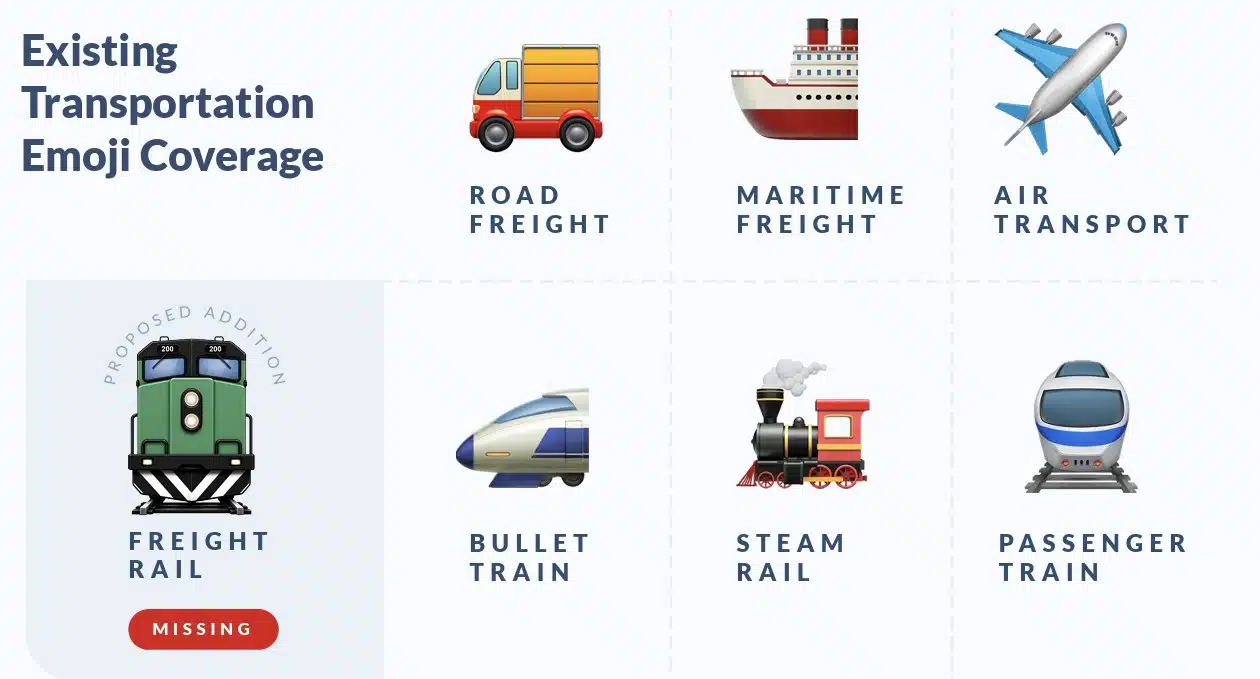
The only freight rail emoji people can use is a steam engine. Sure, the thing is kind of cute, but it is so outdated. Today’s modern freight railroads run with high-tech locomotives. Want access to a real train emoji? Sign this petition from GoRail.
The Force Behind the Freight
Railroad police are the unsung guardians of America’s freight rail network, protecting billions of dollars in cargo, critical infrastructure, and the communities railroads serve.
Equipped with everything from drones and surveillance technology to K-9 units and cross-state law enforcement authority, these specialized officers combat theft, trespassing, and security threats around the clock—helping ensure the nation’s supply chains stay safe, secure, and on track.
And let’s talk a little more about the K-9 units (yay, dogs!). BNSF recently spotlighted some of its four-legged officers. Since 1994, BNSF’s K-9 program has supported its police forces. Following 9/11, the program expanded its mission, and by 2004 nearly all BNSF Police K-9 teams were trained in explosives detection alongside their regular patrol duties.
👆 Harley explains more in a brand new video.
EXPERT INPUT: Federal Micromanagement a Recipe for Disaster
American Enterprise Institute Senior Fellow Mark Jamison argues in a new piece that Congress and the Trump administration are moving toward greater federal intervention in freight rail operations, a shift he says runs counter to the administration’s broader deregulatory agenda.
He warns that “if the Trump administration and Congress want to protect America’s manufacturing and secure its technological edge, they must reject the temptation to constrain innovation by centrally planning the rail industry.”
Building America’s Economy
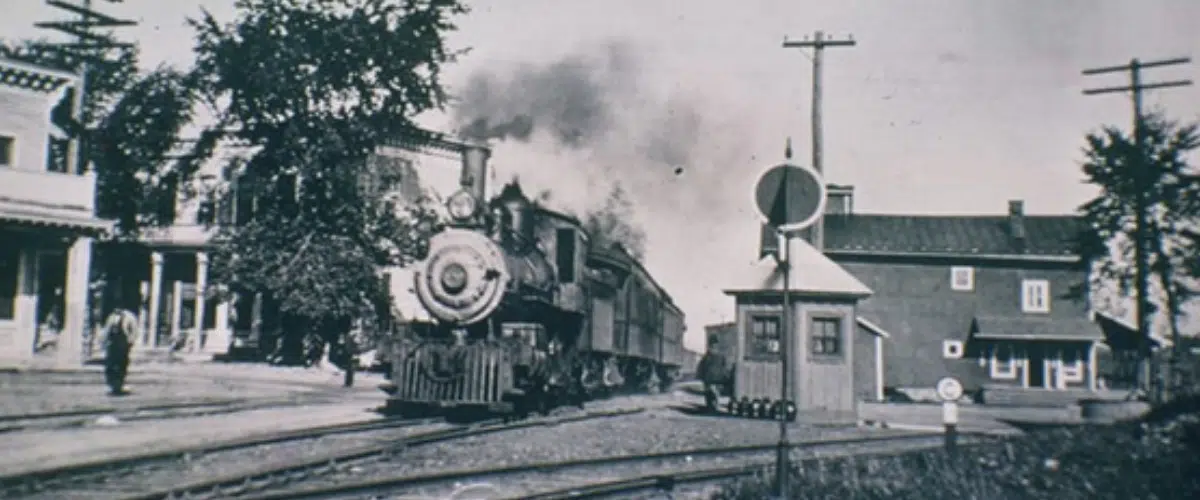
👆 A Peanut Line train arrives in Holcomb from the west in the early 1900s. Postcard photo from the collection of Preston E. Pierce.
Railroads didn’t just move America’s economy—they helped build it. In the 19th century, rail lines attracted farms, factories, and entire communities, creating one of the nation’s first truly connected markets. Businesses grew where the tracks went, and industries scaled because rail made it possible to reach customers, suppliers, and new opportunities. Today, companies large and small continue to invest in rail-served facilities to connect with the freight network that still powers economic growth. Here are just a few examples:

South Dakota Soybean Processors completed a $500 million processing plant with direct access to the BNSF main line to move products domestically and globally.

Tenaris, global manufacturer of steel pipe and related services for the energy industry, announced a $12.5 million investment in a new rail spur connecting its service center directly to Union Pacific, citing improvements in logistics, efficiency, and safety.
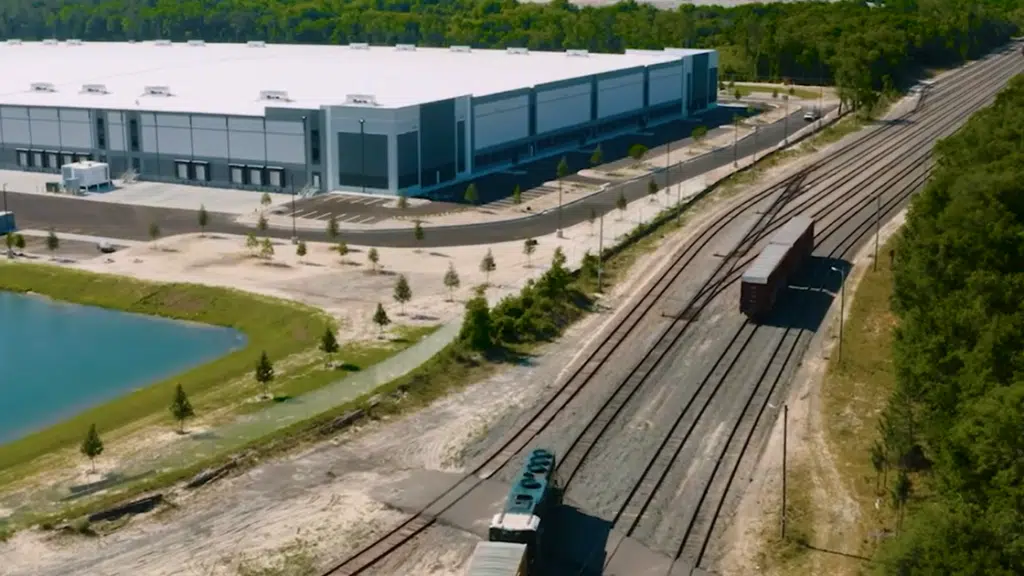
Owens Corning, building materials and industrial materials company, selected a Prattville site through CSX’s Select Site program for rail access, infrastructure, utilities, and a skilled workforce.
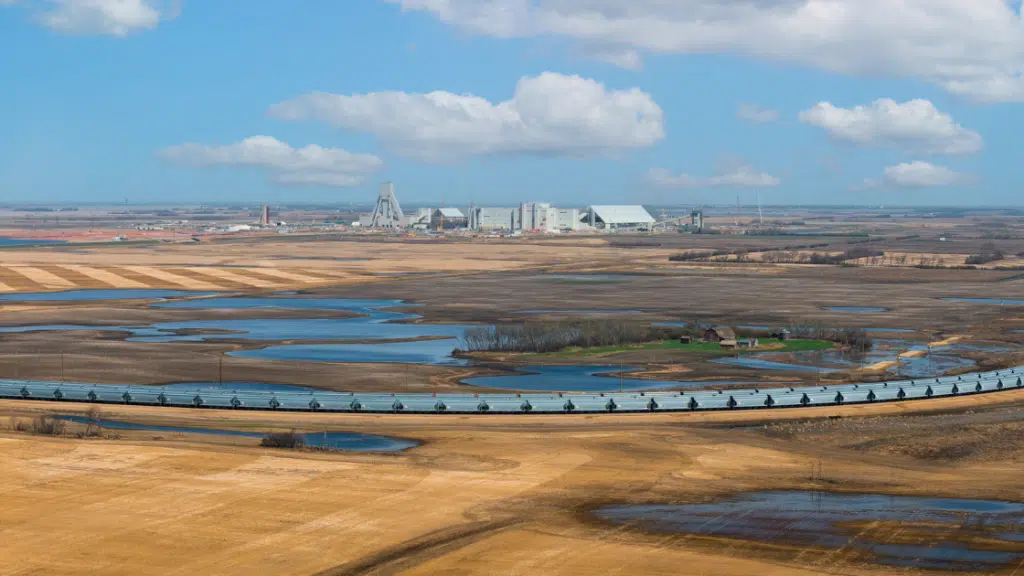
BHP, one of the world’s largest mining and natural resources companies, signed transportation agreements with CN and CPKC to move potash from its massive Jansen Potash Mine to export terminals in Vancouver.
INDUSTRY READS
- Wall Street Journal: America’s Four-Year Trucking Slump Is Finally Over
- NOTUS: Farmers Were Already Hurting. The Iran War Made It Worse.
- Railway Age (Commentary): Freight Rail’s Record Safety Gains Offer a Lesson for Washington
- FreightWaves: Arizona investigators say organized cargo theft crews continue targeting rail corridor after $500K train burglary arrest