
Below is the latest edition of The Signal ™ — our biweekly newsletter delivering freight rail news, insights, and interesting facts. Enjoying it? Subscribe to get the email sent straight to your inbox every other week. You can also check out past editions here.
February 6, 2026. Edition #187. YOU GO PLAY FOOSBALL
Between the Super Bowl this Sunday and the Opening Ceremony of the 2026 Winter Olympics in Italy today, it only made sense to go with a sports theme for this edition. From the parallels between elite athletes and freight rail employees to one railroader who chose trains over the NFL, we’ve got some winning stories mixed in with freight rail news below.
—The Signal Editors
👆That GIF is from the 1998 movie Waterboy and sums up how well one of our Editors knows sports. 🤭
Remove That Pole!
For decades, railroad signal and communication systems relied on pole-mounted lines running alongside the tracks. While once essential, these aging poles are vulnerable to severe weather, difficult to maintain, and can affect service reliability.
CSX is eliminating this legacy infrastructure through a multiyear Pole Line Elimination Program, replacing pole-based systems with modern, microprocessor-based signal technology that supports advanced safety tools like Positive Train Control. With more than 7,000 miles of pole lines removed, CSX is reducing risk and building a safer, more resilient rail network.
So good even NFL players want the job.
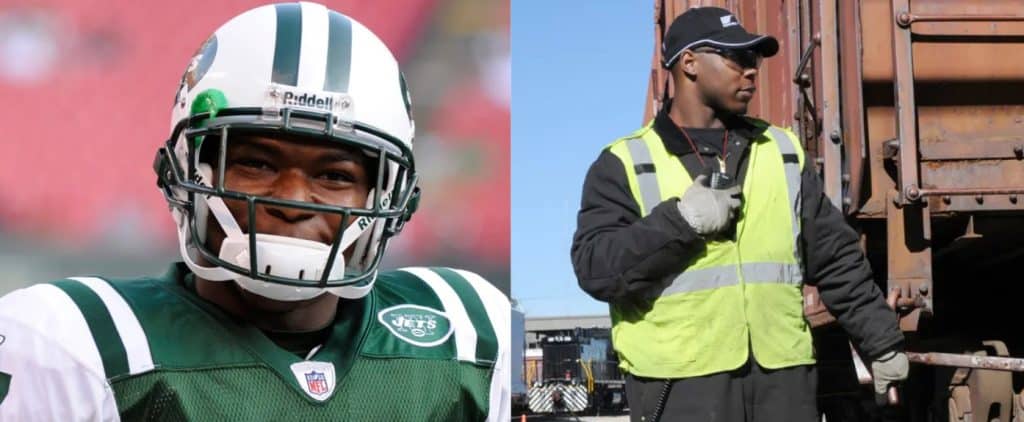
Keith Fitzhugh had what most athletes dream of: a shot with the New York Jets. A standout safety at Mississippi State, he signed as an undrafted free agent in 2009. After being cut, the Jets called again in 2010—offering another chance, with the door wide open to the NFL.
He turned it down. By then, Fitzhugh was working as a freight rail conductor at Norfolk Southern, and the job offered something the NFL couldn’t: stability.
The pay was steady, the benefits were strong, and the future was secure. Living with his parents at the time, including a disabled father who couldn’t work, Fitzhugh knew his family depended on that reliability far more than the uncertainty of a professional football career.
Today, after working his way up through the ranks, Keith Fitzhugh is still a dedicated railroader, serving as the Vice President and General Manager of U.S. Switching Operations at Railserve, Inc.
Bonus Video👀: Watch Keith talk about his decision in 2010.
EXPERT INPUT: Reject freight rail regulation in transportation bill
The Competitive Enterprise Institute recently sent a coalition letter to transportation committee chairs in Congress opposing burdensome, unneeded mandates on freight rail companies as part of must-pass surface transportation reauthorization.
“Railway Safety Act-style mandates would impose extensive new regulatory requirements on freight railroads and the broader supply chain without clear evidence of improved safety outcomes,” the coalition pointed out. “That means higher operating costs, reduced flexibility, and higher prices for American consumers.”
“Freight rail is a critical backbone of the U.S. supply chain. Increases in rail costs flow directly into the price of food, fuel, building materials, manufactured goods, and energy. Adding new regulatory mandates to surface transportation legislation would undermine stated goals of affordability, competitiveness, and economic stability.”
The Olympians of Freight Rail
Olympians train for years to perform under pressure. Freight railroad employees do too. With an average 14-year median tenure and ongoing training across many roles, railroaders work together to keep freight moving safely and efficiently across the nation.
No podiums. No medals. Just everyday pros delivering elite performance where it matters most.
We thought it would be fun to match up Team USA athletes competing in the 2026 Winter Olympics with real-life railroaders to highlight the skills, discipline, and teamwork it takes to score big—on the world stage and on the rails. 👇
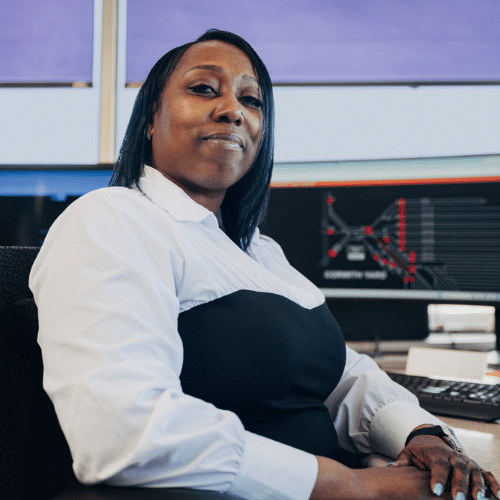
🎖️ Santricia King
BNSF Train Conductor
14-year career
Accountable for the safe, rule-compliant movement of cars during switching or over long distance routes.

🎖️ Ilia Malinin
Singles Figure Skater
6-year elite career
Executes a fully sequenced technical program under strict timing and scoring rules.
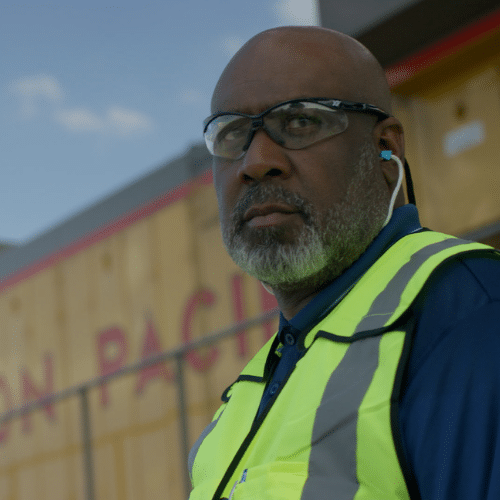
🎖️ Lanard Rucker
Union Pacific Locomotive Engineer
22-year career
Accountable for the safe, rule-compliant movement of cars during switching or over long distance routes.

🎖️ Lindsey Vonn
Alpine Downhill Skier
15-year elite career
Controls speed and line at extreme velocity on variable terrain. (Keep fighting through, Lindsey!)
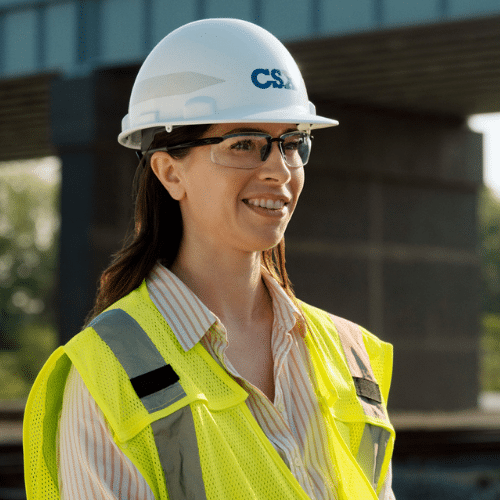
🎖️ Brett Guarino
CSX Project Manager II, Design & Construction
16-year career
Sequences people, work, and risk to deliver a complete infrastructure project.
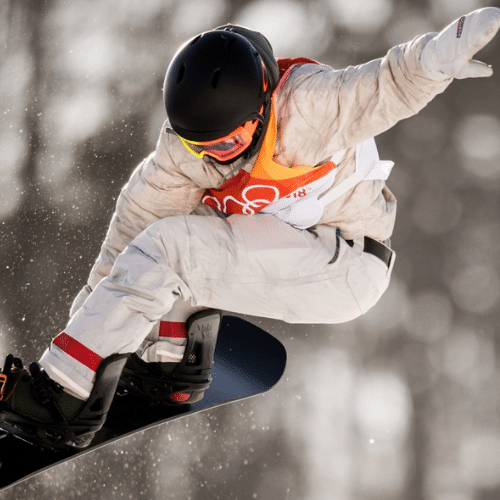
🎖️ Red Gerrad
Slopestyle Snowboarder
15-year elite career
Sequences technical elements into a single continuous run where each move affects the outcome.
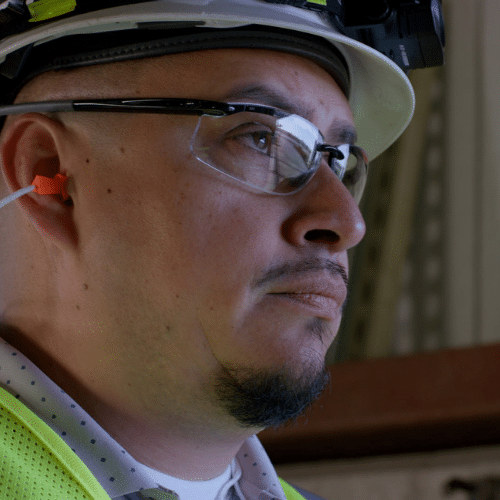
🎖️ Daniel Mendoza
Norfolk Southern Locomotive Repair Shop General Supervisor
16-year career
Ensures locomotives are mechanically reliable before they enter service.
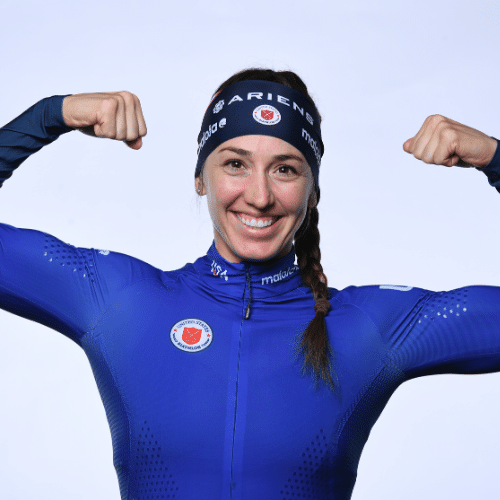
🎖️ Deedra Irwin
Biathlon
8-year elite career
Maintains equipment reliability and precision across multiple competitive phases.
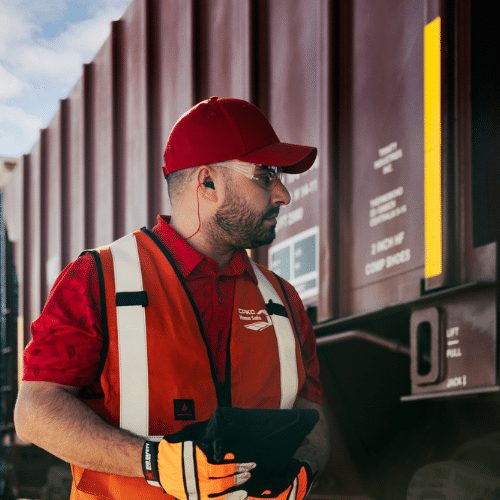
🎖️ Joe Dimicelli
CPKC Trainmaster
8-year career
Sets and enforces operating standards across crews and territory.
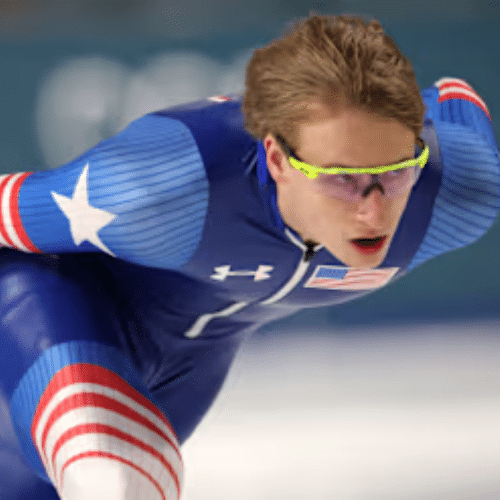
🎖️ Jordan Stolz
Long Track Speed Skater
6-year elite career
Executes race plans built on consistent pacing and repeatable technique.
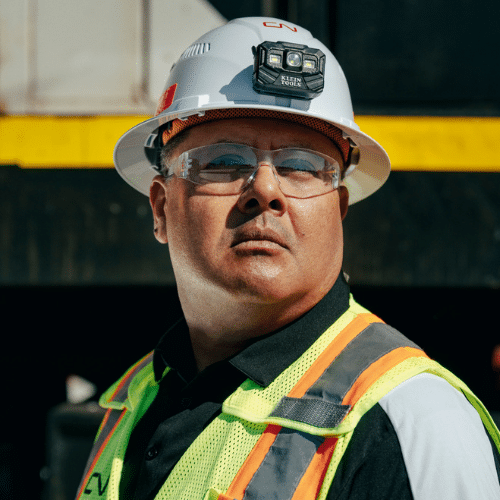
🎖️ Romero Rodriguez
Canadian National Signal & Communications Instructor
3-year career
Teaches how to install, inspect, and maintain signal systems.
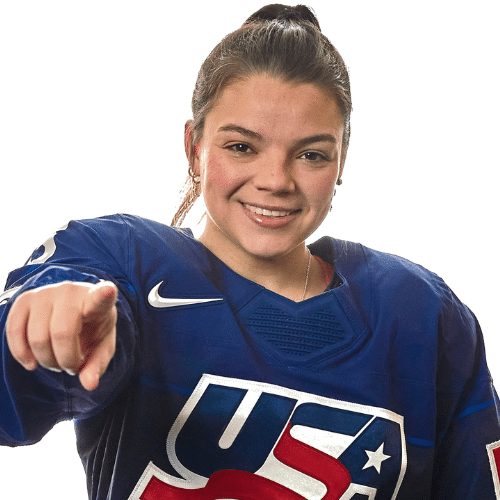
🎖️ Cayla Barnes
Ice Hockey Player (Defense)
7-year elite career
Reads play development and executes rule-based decisions in real time.
Then & Now: From Muscle Power to Automated Control
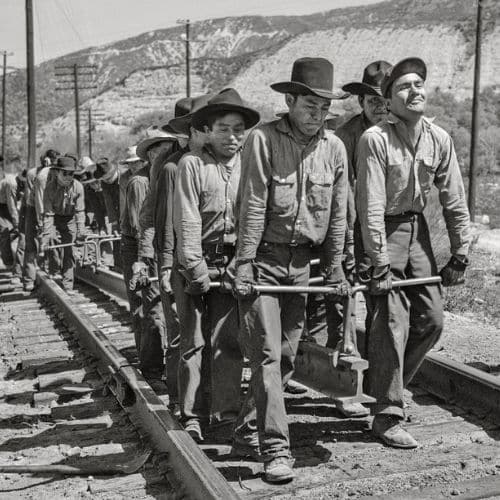
👆 Rail workers manually move one piece of rail. March 1943. Photo by Jack Delano, Office of War Information.
In the early days of freight rail, nearly everything depended on muscle and manual skill. Workers loaded barrels and crates by hand, brakemen climbed moving railcars to set brakes, and crews built the nation’s rail network tie by tie with picks, shovels, and sheer grit.
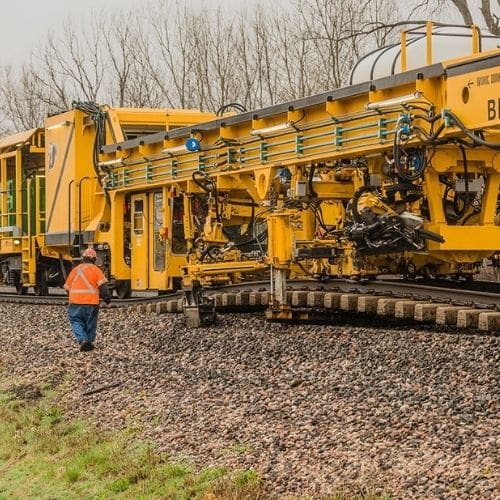
👆 A modern-day machine helps track maintenance workers do their jobs more safely and efficiently. Photo courtesy of BNSF.
Today’s freight rail system runs on automation, advanced engineering, and various technologies. Standardized containers transfer seamlessly between ships, trucks, and trains; air brake systems let engineers control braking safely from the cab; and modern track machinery, sensors, and data analytics guide construction and maintenance.
Industry Reads
- The Drive: There’s a Fight to Allow Heavier Semi Trucks Weighing 90,000+ Pounds on US Roads
- FreightWaves: DOT’s new vision for freight infrastructure
- RailwayAge: Freight Rail Washington Outlook, Railway Age February 2026 Issue
- Progressive Railroading: Norfolk Southern to expand use of wheel defect detection system
- Wall Street Journal: U.S. Factory Activity Posts Fastest Gains Since 2022