
KEY FACTS
- Freight rail is the safest way to move goods over land.
- It delivers essential raw materials and finished goods nationwide, supporting jobs, industries, and daily life.
- Freight railroads privately invest $23 billion back into their networks annually.
U.S. freight railroads move the raw materials and finished goods that support American industry and keep transportation costs low. As the heavy-haul backbone of the national freight network, railroads carry grain, energy products, vehicles, chemicals, construction materials, and consumer goods efficiently over long distances.
Freight rail connects ports, factories, warehouses, and distribution centers, working with trucks and ships to keep supply chains moving through skilled workers and advanced logistics technology. Freight rail is one of the safest and most fuel-efficient ways to move freight on land, especially for bulk commodities and long-haul shipments.
Most U.S. freight railroads are privately owned, funding their own track maintenance, infrastructure upgrades, signaling systems, and modern safety technology to ensure reliable operations. The industry supports hundreds of thousands of skilled jobs in operations, engineering, maintenance, and technology, making freight rail a central component of the U.S. transportation system and economy.
Who funds freight railroads?
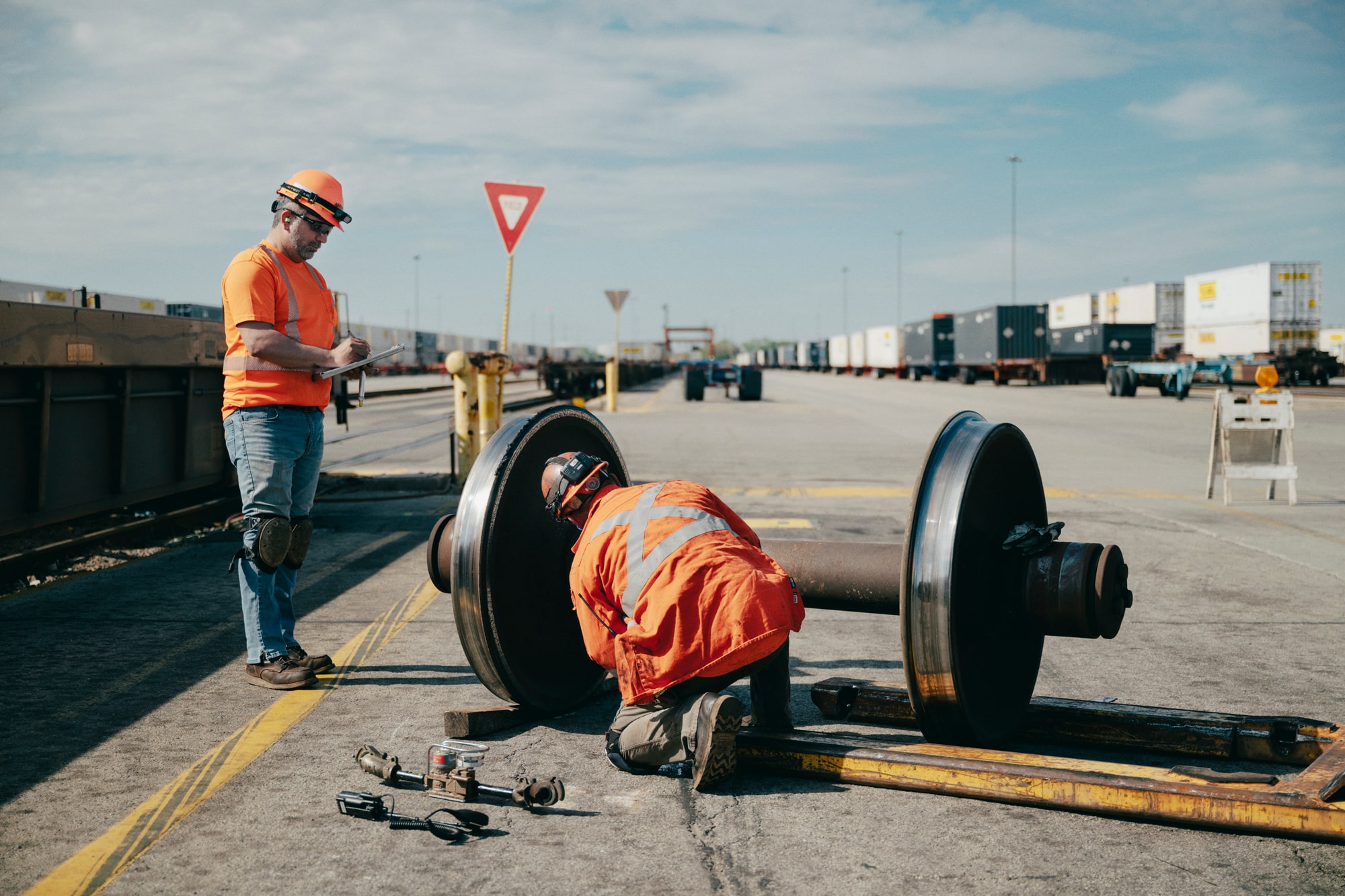
Freight railroads largely fund themselves. Since 1980, freight railroads have privately invested $810 billion—over $23 billion annually—to maintain and enhance the safest, most efficient freight network. These private investments reduce reliance on taxpayer dollars, easing congestion, lowering road maintenance costs, and strengthening the network to support business growth, customer needs, and climate resilience.
Are freight railroads safe?
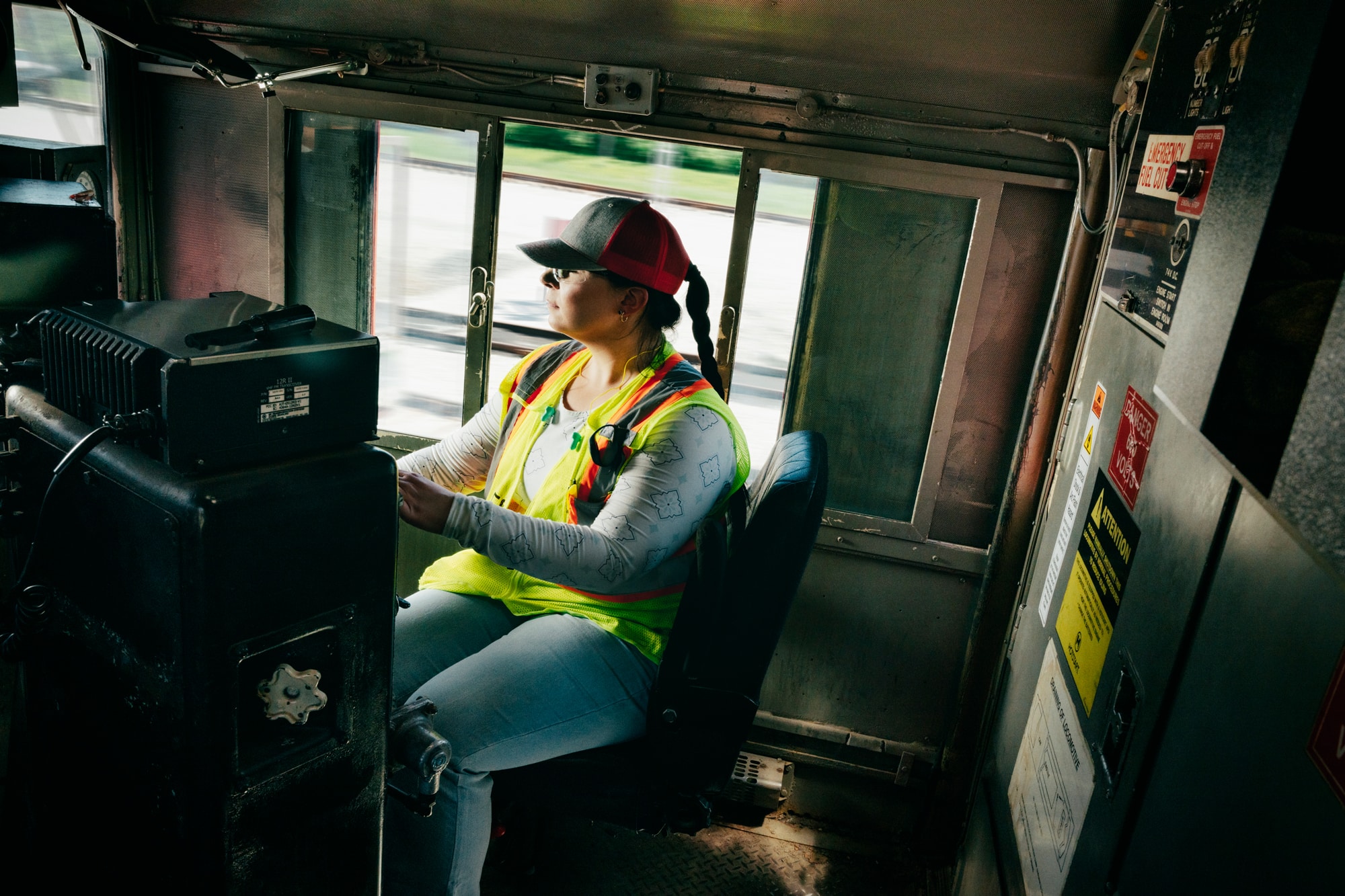
Freight railroads are the safest way to move goods over land. Railroads collaborate daily with employees, suppliers, customers, and officials to ensure network and community safety. Their holistic approach includes modernizing infrastructure, training employees, advancing technology, supporting first responders, and securing physical and digital networks. Billions in annual private investments drive these efforts and have helped reduce the Class I mainline accident rate 44% since 2005.
Are freight railroad jobs good jobs?
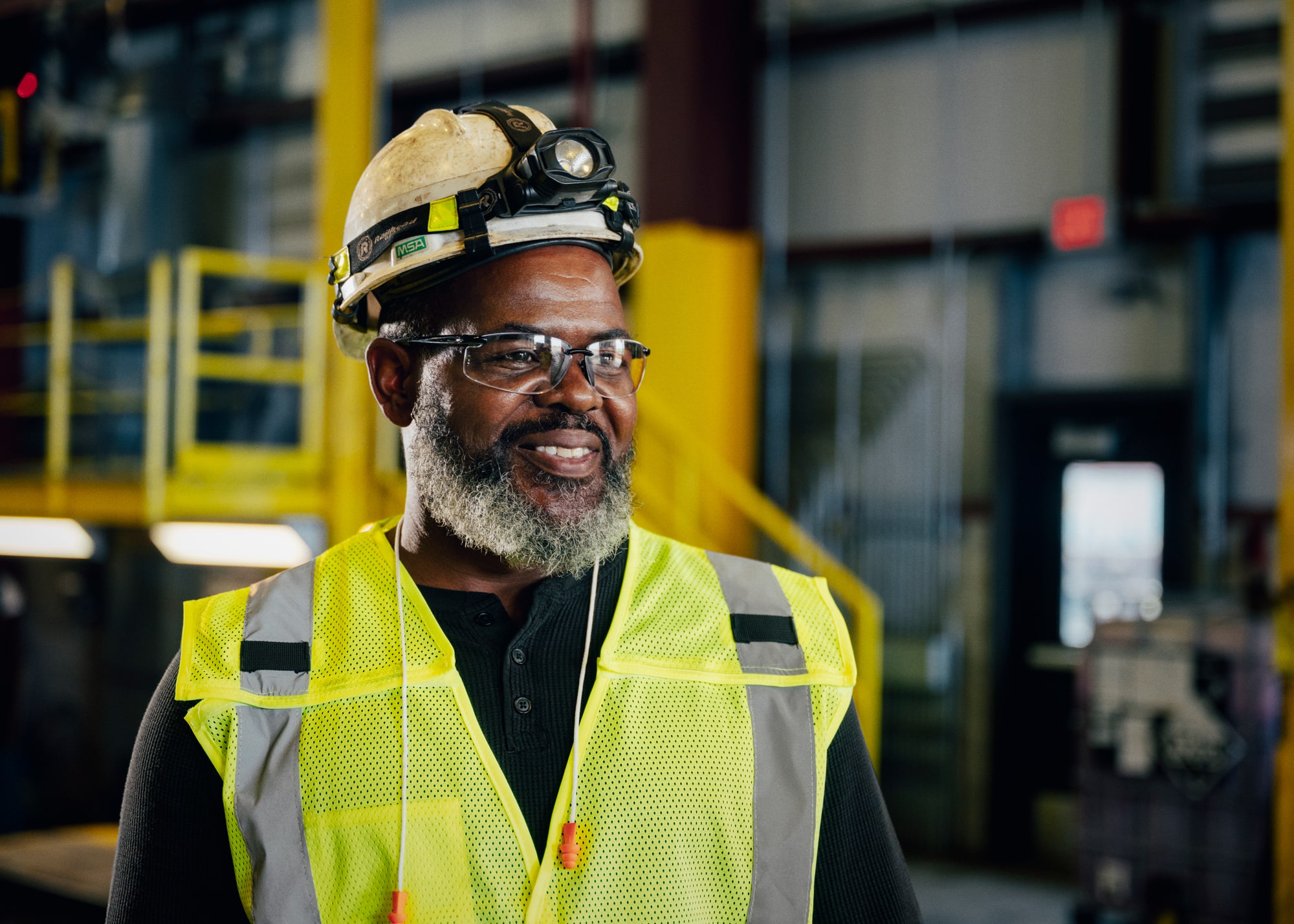
Freight rail employees are highly skilled professionals who are among the best-compensated workers in the nation. The average Class I railroad employee’s annual pay and benefit package is valued from $135,000 to almost $190,000. Always prioritizing safety, the freight rail industry is one of the safest industries to work in the nation; its even safer than grocery stores. And as a vital partner in U.S. military operations for nearly 200 years, railroads actively hire veterans.
How important are freight railroads to the economy?
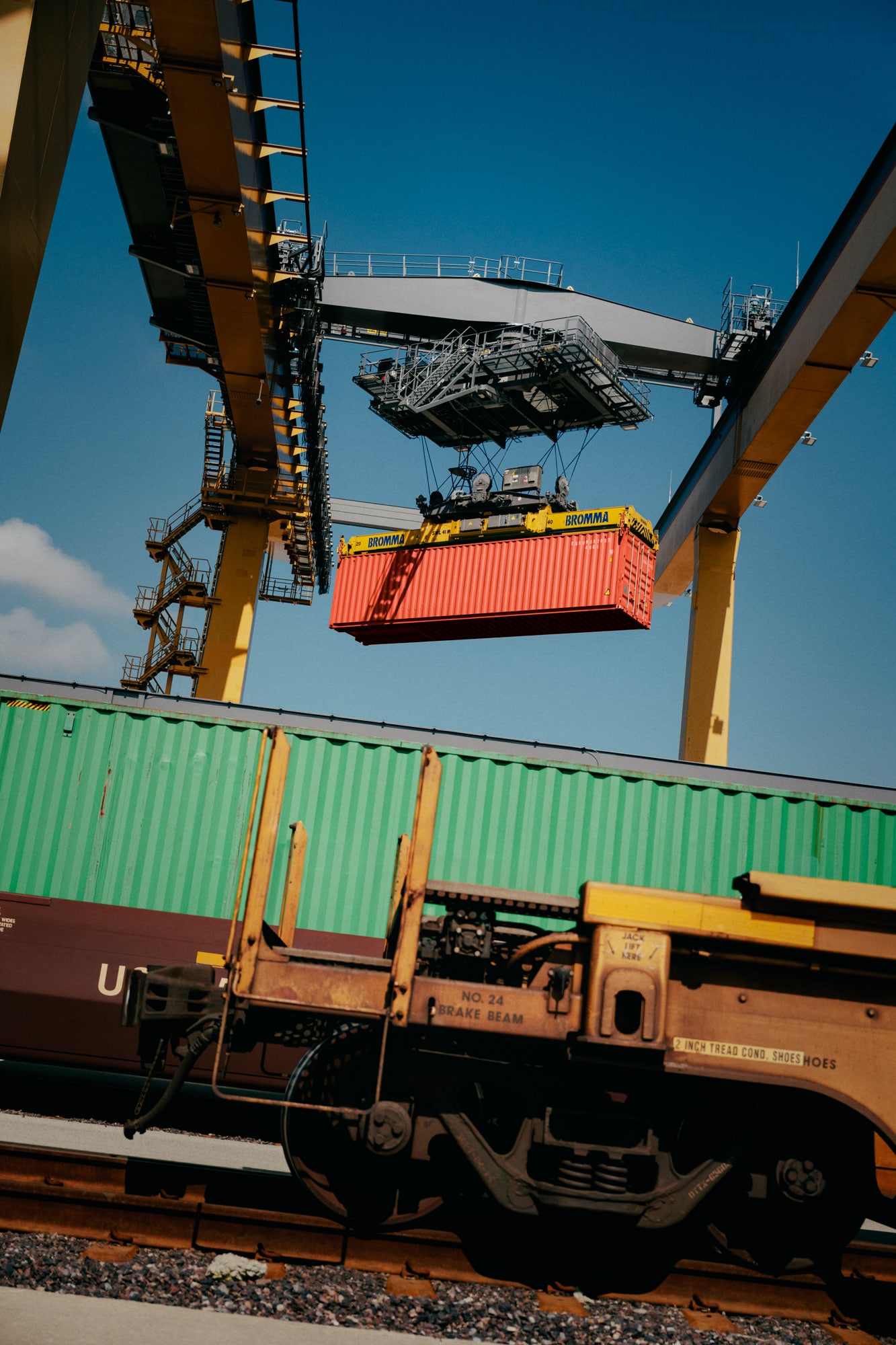
Freight railroads are critical to America’s economy. In 2023, rail generated $233.4 billion in economic output, with Class I railroads investing $26.8 billion to modernize infrastructure, enhance safety, and improve reliability. Every $1 invested drives $2.50 in economic activity, and every rail job supports nearly four more across manufacturing, logistics, and technology. With 153,000 direct employees and 749,000 supported jobs nationwide, rail delivers high-paying careers, contributes $14.1 billion in retirement benefits, and remains a pillar of America’s competitiveness and resilience.
What do freight railroads move?

Operating across 49 states and D.C., freight railroads move goods essential to the economy and daily life. They transport intermodal containers, chemicals, agricultural products, autos, construction materials, pulp, paper, and energy resources like ethanol, crude oil, and coal. By ensuring efficient freight movement, railroads sustain America’s economy and keep the global supply chain running smoothly.
Do freight railroads use technology?
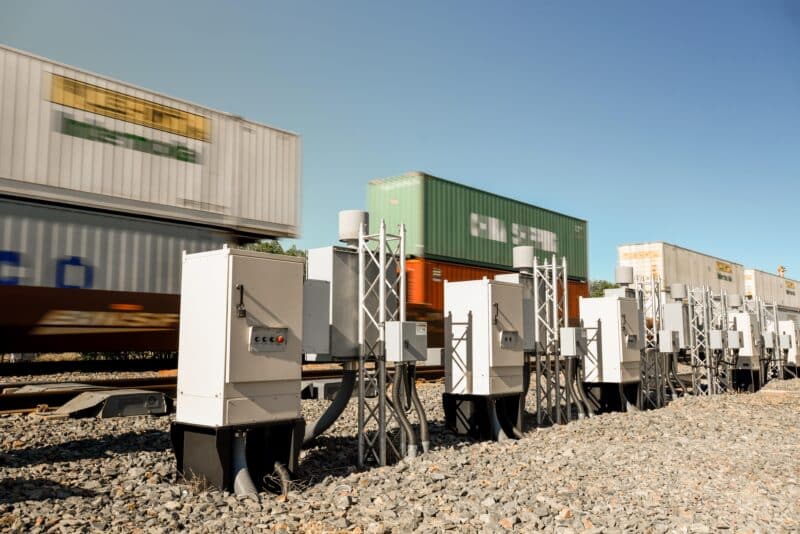
Freight railroads are at the forefront of technological advancement, integrating predictive analytics, automation, AI, and inspection systems to enhance safety, efficiency, and sustainability. With billions invested in infrastructure and technology, railroads are modernizing operations to meet the evolving demands of global supply chains while reducing environmental impact.
Are freight railroads good for the environment?

Freight railroads are the most fuel-efficient way to move goods over land, transporting one ton of freight nearly 500 miles on a gallon of fuel. Engaging in technology, operational, and collaborative efforts, they work to reduce their already small share of greenhouse gas emissions from their yards and locomotives.
Where is the busiest freight rail hub?

Chicago has been the nation’s busiest rail hub for 150 years, with all Class I railroads and multiple passenger and commuter trains moving through the region. To reduce congestion as freight and passenger demand rises, the CREATE Program, a gold-standard public-private partnership, enhances transportation efficiency, reduces congestion, improves air quality, and drives economic growth.
Are freight trains the same as passenger trains?

Freight trains and passenger trains are different. Three types of rail systems (intercity passenger, commuter and freight) operate on the national rail network. Together, these trains help deliver economic growth, support job creation, provide crucial environmental benefits and increase our nation’s productivity and competitiveness. Freight railroads provide 70% of the train-miles operated by Amtrak, providing the literal foundation for this important passenger rail service.
THE BOTTOM LINE
Freight rail is a safe, efficient, and privately funded backbone of the U.S. economy, moving essential goods across the country while keeping transportation costs low, supporting high-paying jobs, and strengthening supply chains. Through continuous investment, advanced technology, and strong safety performance, freight rail helps power economic growth, improve sustainability, and ensure reliable delivery of the products Americans depend on every day.