KEY FACTS
- Beer begins with farm-grown ingredients like barley, hops, corn, and rice
- Freight rail moves large volumes efficiently—one hopper car can carry up to four truckloads of grain
- Rail and trucks work together to deliver finished beer nationwide
Beer is always best enjoyed responsibly with friends—which makes sense, because beer itself is a team effort. Behind every pint is a network of people and industries working together to move ingredients and products across the country. Freight rail plays a big role in that journey, moving huge volumes safely and efficiently over long distances. Together, the agriculture, rail, and brewing industries support millions of jobs across the country. Here’s a closer look at how it all comes together—from the field to your glass.
From Harvest to Grain Elevators
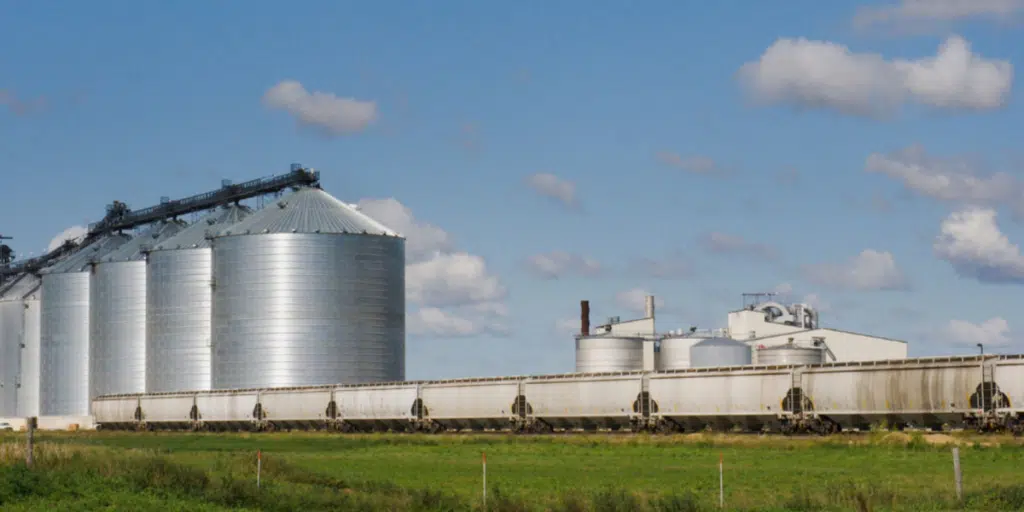
👆 Those big shiny structures are grain elevators. Did you know that covered hopper cars use gravity—not machinery—to unload grain, allowing them to empty quickly and efficiently through bottom gates?
Every beer starts on the farm. Barley, hops, rice, and corn are grown and harvested across the country before moving by truck or rail to grain elevators. These facilities collect, store, and prepare grain for shipment—loading it into covered hopper railcars to begin the next leg of its journey.
Turning Barley Into Malt
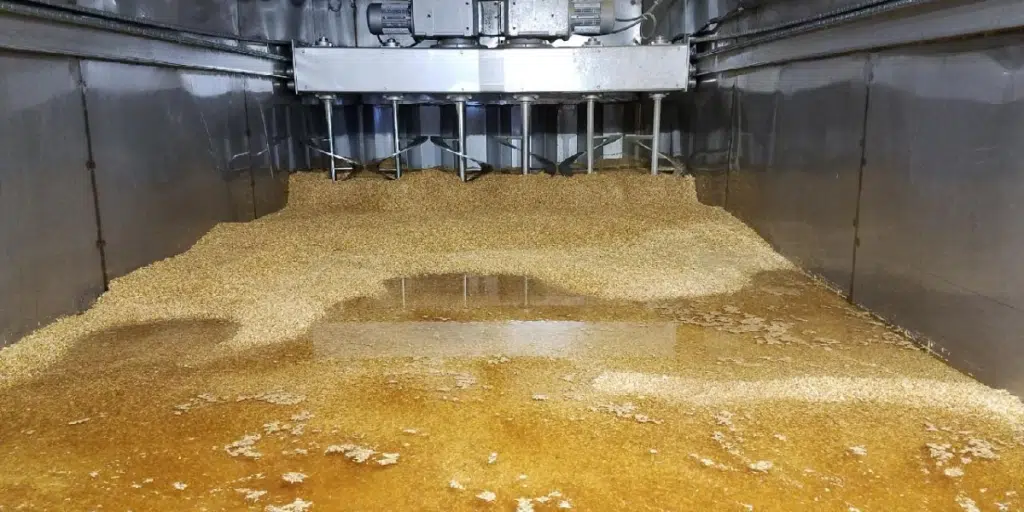
👆 This photo from the Colorado Brewers Guild shows barley being soaked and turned during the malting process, where it begins to germinate and develop the sugars needed for brewing beer. Interesting fact: not all barley can be used for beer—malting barley has to meet strict quality standards for size, moisture, and germination to make sure it produces the right sugars for brewing.
The covered hopper cars keep grain protected from weather and contamination while moving it efficiently—each one carrying up to four truckloads worth of product. Freight trains deliver barley to malting facilities, where it’s cleaned, soaked, and dried into malt—the key ingredient that fuels fermentation.
From Breweries to Your Glass
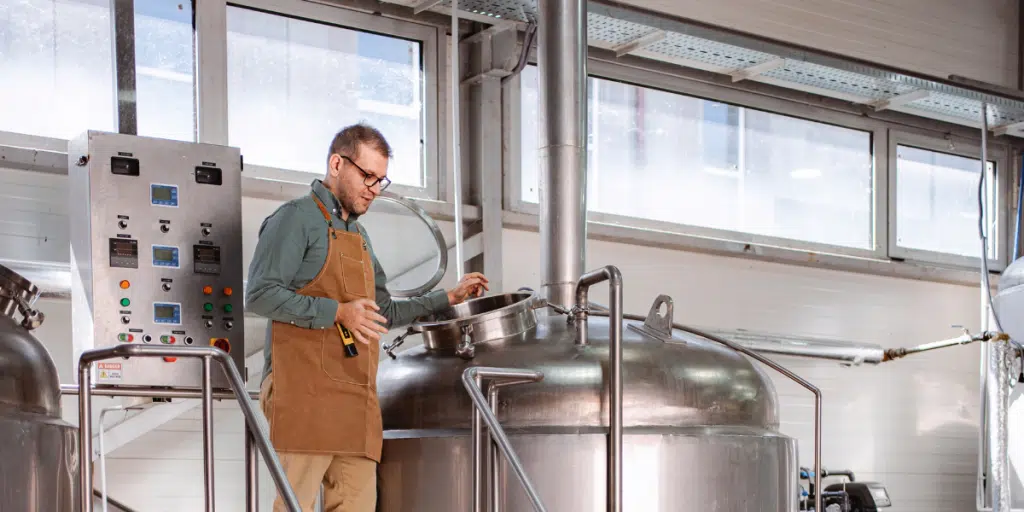
👆 It often surprises people how much technology freight railroads use. Also surprising? Many modern breweries use some of the same tech! Sensors and AI-driven systems monitor fermentation in real time, adjusting temperature and conditions automatically to ensure consistent flavor in every batch.
Malt travels by rail to breweries nationwide, either directly or via rail terminals where trucks handle the final mile. At the brewery, it’s brewed, fermented, and packaged into beer. Freight rail then moves the finished product to warehouses, and trucks deliver it to stores, restaurants, bars, and venues.