
General
When did railroads begin in the U.S.?
For nearly 200 years, freight railroads have driven America’s growth, evolving from their early days into a vital force in the economy. Combining human expertise with cutting-edge technology, they continue to strengthen supply chains, support communities, and deliver reliable service.
How are freight trains assembled?
Yard crews build freight trains in rail yards using switcher locomotives to sort and align railcars by destination or cargo type. They couple cars into an efficient, safe “train consist,” often grouping similar loads or delivery points. Before departure, crews inspect the train for mechanical soundness and regulatory compliance. For intermodal shipments, cranes or specialized vehicles load containers or trailers onto flatcars or well cars, completing the assembly before the train moves onto the mainline.
Who operates a freight train?
After assembly, inspection, and clearance, a certified crew takes over—an engineer controls speed, power, and braking, while a conductor manages cargo documentation, safety checks, and communication. The train’s journey begins at origination and ends at termination. In-transit inspections maintain safety, and if issues arise, the train stops for further examination.
Do trains run 24/7?
Yes, freight trains operate around the clock to meet continuous shipping demands.
How is train traffic controlled and managed?
Dispatch centers use advanced communication systems to coordinate train movements safely and efficiently. Acting as the network’s central nervous system, trained dispatchers monitor and direct trains in real time across thousands of miles of track. Dispatchers make strategic decisions to optimize train flow, avoid congestion, and respond to unexpected events like weather or equipment issues. They use advanced software, GPS data, and radio communication to manage train routing, scheduling, track occupancy, and coordination with rail yards and other carriers as well as manage rail traffic using signals and power switches.
What causes train delays, and how are they handled?
Despite extensive planning, delays happen—from weather to external disruptions. Redundancy, flexibility, and strong coordination between carriers help ensure freight keeps moving. When disruptions do happen:
- Dispatchers reroute traffic or adjust schedules in real time.
- Maintenance crews are deployed to fix track or equipment.
- Crews may be swapped out to comply with rest rules.
- Railroads may temporarily share tracks or reroute across partner networks.
Do freight railroads use modern technology?
Yes, technology is a critical part of all freight rail operations. Freight railroads lead in technological advancement, integrating predictive analytics, automation, AI, and advanced inspection systems to enhance safety, efficiency, and sustainability. By investing billions in infrastructure and innovative tools, railroads continually modernize operations to meet global supply chain demands while reducing environmental impact. This progress complements while not replacing he expertise and ingenuity of the workforce, ensuring technology enhances their vital role in delivering safe, reliable, and efficient rail service.
Are freight railroads regulated by the government?
Freight railroads rank among the most heavily regulated industries in the U.S. The Federal Railroad Administration (FRA) oversees safety standards for tracks, equipment, and crews, while the Surface Transportation Board (STB) regulates competition, rates, service, and mergers. Railroads must follow strict rules on operations, inspections, hazardous materials, employee qualifications, and signaling. Although the Staggers Rail Act of 1980 eased some economic controls, a strong regulatory framework remains to ensure safety, fair competition, and environmental responsibility.
How are U.S. freight railroads different from trains in Europe or Asia?
U.S. freight railroads are primarily private and focus on freight, while European and Asian systems often prioritize passenger service.
Which country has the best freight railroads?
The U.S. has one of the most efficient and extensive freight rail systems globally.
What is a railroad network?
A railroad network comprises interconnected tracks, facilities, and equipment facilitating train operations across regions.
Where do freight trains operate in the U.S.?
Freight trains operate in nearly every state, covering nearly 140,000 miles of track.
What types of freight railroads are there in America?
The six Class I railroads are the nation’s largest carriers, operating most of the rail infrastructure and hosting much of Amtrak’s and many commuter services outside the Northeast Corridor. Alongside them, about 630 short line railroads (Class II and III) run on 45,000 miles of track across 49 states, linking farmers and small-town businesses to the national rail network.
Can freight trains travel between Canada, the U.S., and Mexico?
Yes, cross-border operations are common among North American railroads.
Are freight trains only used for long-distance shipping?
While ideal for long distances, freight trains also handle regional and short-haul shipments frequently and efficiently.
What do freight trains carry?
Freight trains transport almost everything Americans rely on, from food and clothing to cars and energy products.
How long does it take for a freight train to stop?
Freight trains do not operate like cars. Depending on speed and load, a freight train can take over a mile to come to a complete stop.
How much weight can a freight train carry?
Freight trains are America’s heavy haulers, with a single train carrying thousands of tons—depending on its length and the type of freight.
Safety

Are freight trains safe?
Yes, freight rail is the safest way to move goods over land. The most recent data from the FRA confirms that the industry’s safety-centered approach to investments and operations deliver overall improvements that have made the last decade the safest ever for rail. These sustained and determined efforts have led to a 43% decrease in the train accident rate since 2005, including an 11% drop since 2023.
How often do derailments happen, and why?
Most derailments are minor and typically occur in yards. Equipment issues or human error often cause these derailments. Freight railroads are driving down train derailments through ongoing investments into track, infrastructure, technology and operations.
What causes most train accidents?
Human factors are the leading causes of train accidents. Since 2023, human factor accidents per million train miles dropped 18% and the train accident rate is down 11% thanks to ongoing investments in infrastructure and equipment improvements, technology-supposed inspections and expansive employee training.
Why do railroads carry hazardous materials?
As the safest way to move hazmat over land, freight railroads legally must transport this commodity under a common carrier obligation. While the industry’s safety efforts have significantly decreased the hazmat accident rate, railroads have limited control over hazmat transportation decisions.
How do railroads protect the network from cyberattacks?
Freight railroads operate a highly secure, digitally integrated transportation network protected by a proactive cybersecurity strategy developed since 1999. Led by the Rail Information Security Committee (RISC) and guided by the NIST framework, railroads work closely with federal partners, maintain dedicated cybersecurity teams, and regularly assess and improve their defenses. Ongoing employee training and awareness efforts ensure cyber resilience is part of everyday operations.
What is Positive Train Control (PTC)?
PTC is a set of technologies that prevent the most serious human-error accidents like train-to-train collisions and over-speed derailments. Congress mandated Positive Train Control (PTC), now fully implemented across 100% of Class I route miles carrying over five million gross tons annually and on all main lines with intercity or commuter passenger service. PTC is also required on main lines transporting poisonous or toxic-by-inhalation (PIH/TIH) hazardous materials.
Is working for a railroad a dangerous job?
Railroading requires unique skills and certification, so railroads take their safety culture seriously. Thanks to ongoing safety training, regular inspections, and rule compliance, the freight rail industry is one of the safest places to work in America.
Do railroads have their own police?
Yes, most Class I railroads have federally certified railroad police departments.
Do railroads work with emergency responders?
Yes, with extensive training programs, collaborations with government partners, railroads ensure that emergency responders have the necessary resources and information to handle hazmat incidents effectively.
Do train robberies still happen?
In 2024, organized criminal operations targeting freight railroads and supply chain partners cost the nation’s largest railroads over $100 million in cargo theft. Multi-layered federal action that enhances law enforcement coordination and increases prosecutions is vital to disrupt these criminal operations and protect consumers and businesses from supply chain disruptions and increased costs.
Employees
What types of jobs are available in the railroad industry?
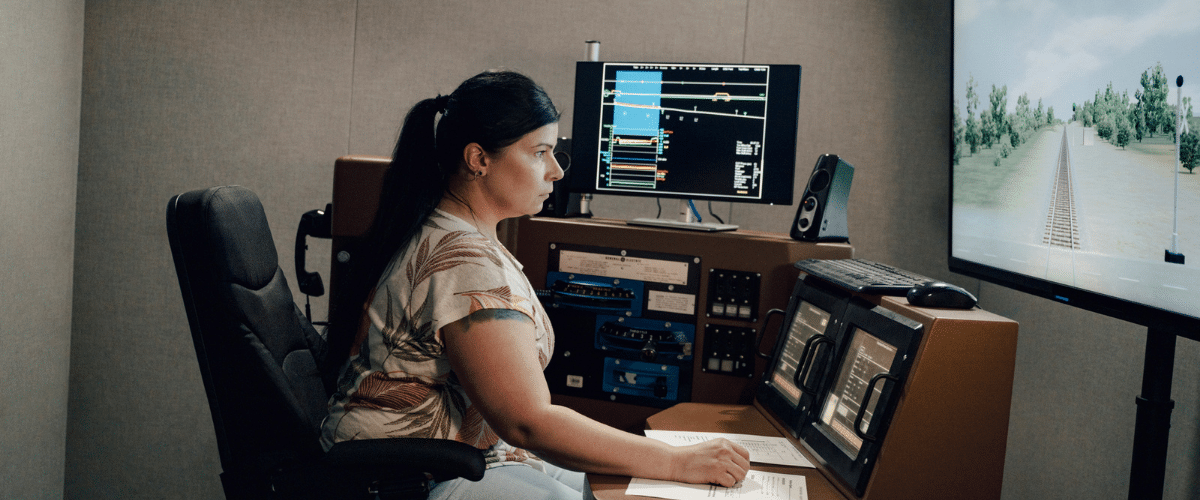
Freight railroads offer a wide array of jobs, from conductors and engineers to mechanics, signal technicians, IT specialists, and dispatchers.
What training programs are available?
Training is extensive for all rail employees and is especially rigorous for the conductors and engineers operating freight trains. Years of experience as a conductor are typically required to become a freight rail engineer. And to work as a conductor, candidates must undergo training that can last months, with a mix of intensive classroom, real-world training and ongoing exams.
How long do most people stay in rail jobs?
Many railroaders build lifelong careers in the industry, drawn by its stability, strong benefits, and sense of purpose. It’s not uncommon to find employees with 40 or 50 years of service—or to see multiple generations of the same family proudly working in railroading.
Can railroad workers move up or change roles easily?
Yes, internal promotion and cross-training opportunities are common.
Will AI and automation replace railroad jobs?
By investing billions in infrastructure and innovative tools, railroads continue to modernize their operations to meet global supply chain demands while reducing environmental impact. This progress complements the expertise and ingenuity of the workforce, ensuring technology enhances their vital role in delivering safe, reliable, and efficient rail service.
Do rail workers get paid sick leave?
Railroad employees receive substantial paid time off each year and generous paid sick leave benefits. Excluding time off covered by sickness benefits, the average employee receives 25-29 days of paid time off depending upon craft, with the most senior employees receiving 37-39 days of paid time off. Total compensation, including sick leave benefits, best-in-class healthcare and competitive wages, negotiated over decades of collective bargaining, position rail workers in the top 10% of all U.S. industries.
How many freight rail employees are military veterans?
About one in six freight rail employees are veterans. The skills developed and valued in the military are the same skills that keep the backbone of the nation’s economy efficiently running. Veterans are particularly well-suited for railroad careers because they have diverse skills and can adapt to changing conditions.
What percentage of railroad workers are in unions?
More than 80% of Class I rail employees are unionized, making freight rail one of the most highly organized of all American industries.
What are the work hour limits for rail employees?
In general, train crews are limited to 12 hours per shift under federal Hours of Service rules. Train dispatchers are limited to 9 hours on duty and signal personnel for 12 hours.
Tracks & Wheels
What types of rail track are there?
The rail network includes several types of track, each serving a specific role in keeping freight moving safely. Railroads invest heavily in maintaining this infrastructure, using advanced tools like track geometry cars and ultrasonic detectors to inspect for wear or hidden defects.
- Mainline Track: The backbone of the system—built for long-distance travel, high speeds, and heavy loads. There are nearly 140,000 miles of mainline track across North America. Some mainline tracks have double or triple track, which are parallel tracks on the same corridor that increase capacity and efficiency.
- Industrial Tracks: Spur tracks branch off the mainline serving individual facilities like factories or grain elevators. Industry tracks are privately owned and connect to customer sites for direct rail access.
- Yard Tracks: Low-speed tracks within yards for sorting, switching, and storage.
How are tracks built and maintained?
Tracks are constructed with durable materials and regularly inspected using advanced technologies to ensure safety. Key components of rail track include:
- Rails: Made of hardened steel, rails guide train wheels and bear the full weight of passing trains. Rails are fastened to ties and welded together in long segments to reduce joints and ensure a smoother ride.
- Ties (or Sleepers): These crosswise beams—made of wood, concrete, composite material, or sometimes steel—hold the rails in place and transfer the load from the rails to the ground. Wood ties are still common but are gradually being replaced by longer-lasting concrete ones on many high-traffic routes.
- Ballast: Crushed rock packed beneath and around the ties. Ballast provides stability, drains water, and helps distribute the enormous pressure exerted by passing trains.
- Subgrade: The compacted soil or foundation layer beneath the ballast, which must remain firm and properly drained to support the track structure above.
Who owns the railroad tracks?
In the U.S., freight railroads typically own and maintain their tracks.
How long do railroad tracks last, and what happens to old ones?
Track lifespan varies. Railroads often recycle old materials or repurpose them during maintenance.
Are new tracks being added to the network?
Yes, railroads invest in expanding and upgrading track infrastructure as needed.
How much does it cost to build a mile of track?
Costs vary based on terrain and materials but can range significantly. Replacing or maintaining track is part of freight rail’s annual $23 billion investments.
Are there different types of train wheels?
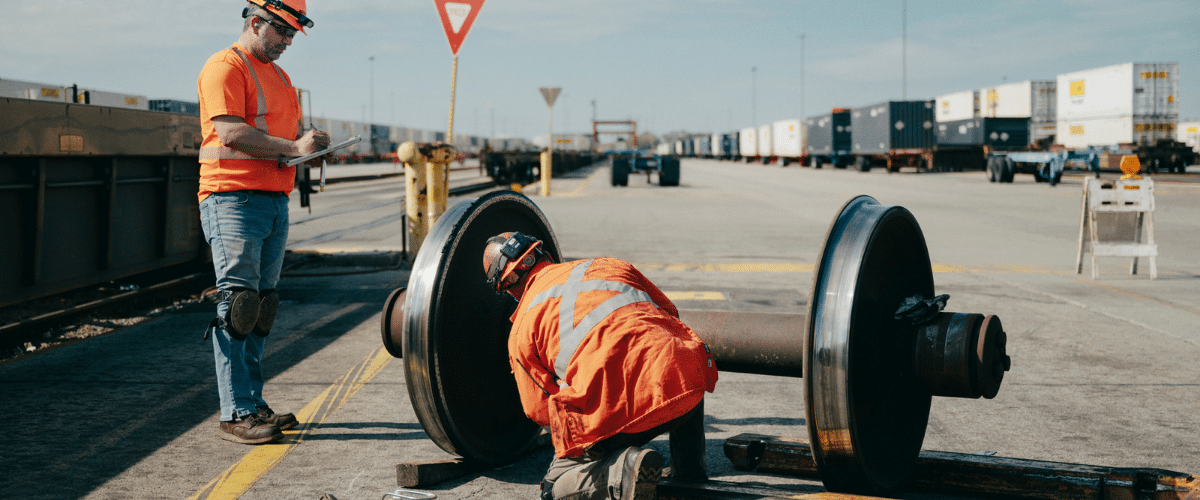
Yes, wheels vary based on car type and load, but most are made of steel and follow standard designs. Steel is the standard for cars that are interchanged.
How long do train wheels last, and how are they replaced?
They typically last tens of thousands of miles and are replaced or reprofiled when worn. Wayside detectors continuously monitor the health of wheels as trains move across the country.
How have train wheels changed over time?
Wheels are now stronger, safer, and subject to advanced inspections compared to early cast-iron wheels.
Yards & Other Network Locations
What happens in a rail yard?
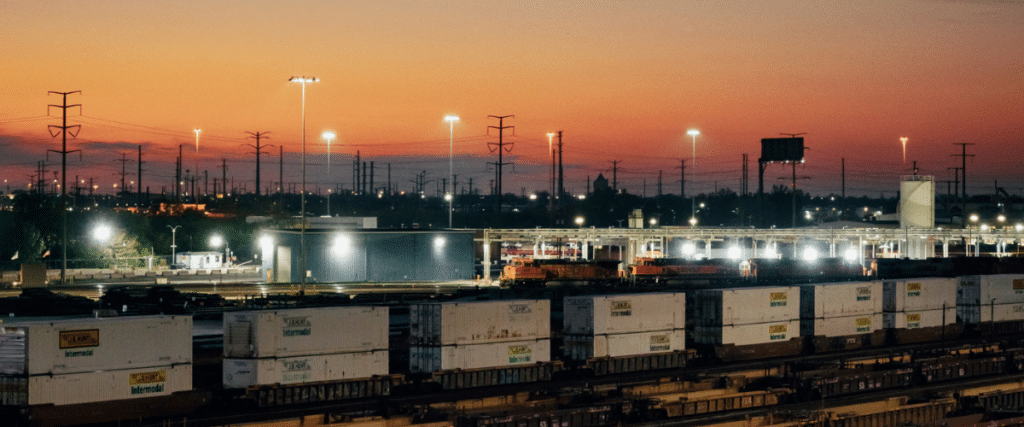
Freight railroads invest heavily in rail yards to improve efficiency, capacity, safety, and environmental performance. These facilities are essential for assembling, disassembling, and sorting trains, and Class I railroads dedicate a significant portion of their annual capital spending to yard modernization.
Do freight railroads own their yards?
Yes, most freight railroads own and operate their own yards.
How many yards are there?
There are hundreds of rail yards across North America, varying in size and purpose.
Are new yards being built?
Yes, to support intermodal growth and reduce congestion, some railroads are expanding or modernizing yards.
Are yards operational 24/7?
Yes, most major yards operate continuously to support uninterrupted freight movement.
Can the public access rail yards?
No, yards are secure, industrial areas restricted to authorized personnel for safety reasons. All freight rail property, including tracks, is private.
What types of support facilities do railroads operate?
Facilities include dispatch centers, customer service hubs, maintenance shops, and training centers.
How many railroad bridges are there in America?
There are more than 61,000 railroad bridges in the U.S. freight network.
Who owns and maintains railroad bridges?
Railroads are responsible for the inspection and upkeep of the bridges they own.
Are rusty-looking bridges safe?
Yes, surface rust is normal on steel bridges. Ongoing inspections ensure structural safety.
What is a railroad grade crossing?
A railroad grade crossing is where a railway line intersects with a road or path at the same level. Railroads typically maintain the track portion; local or state agencies may manage signals and pavement.
Why do trains block crossings?
Trains can block a crossing due to operations, such as switching railcars, weather delays, equipment inspections, and interactions with other rail traffic. Emergencies, vandalism, and infrastructure issues can also cause temporary disruptions. While railroads strive to minimize delays, some interruptions are unavoidable due to the complexity of rail logistics.
Railcars & Traffic
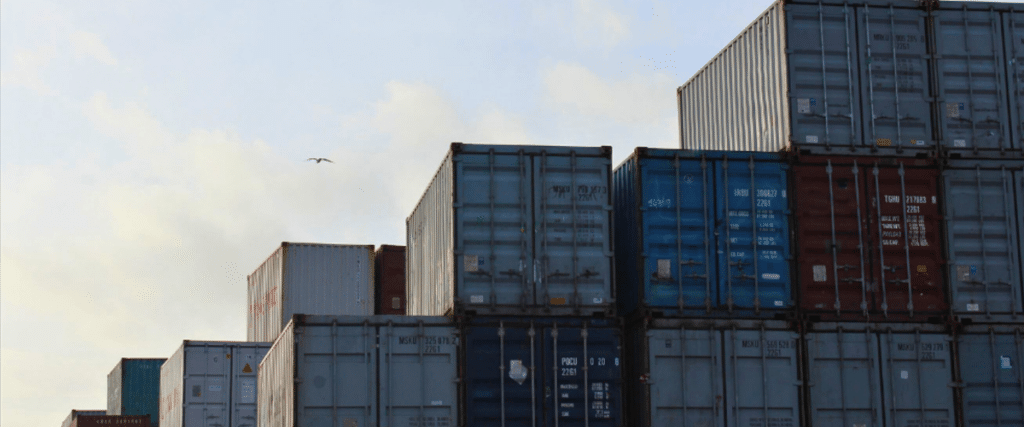
What types of railcars are there and what do they carry?
Railroads and other entities purpose-build railcars for different commodities, and most—especially tank cars—are not railroad-owned. A mix of owners maintains them: railroads (for specialized fleets or system-wide service), shippers (who move large volumes and often own or lease cars), and leasing companies (which own tens of thousands of cars and lease them to railroads or customers). All railcars must meet strict federal safety and inspection standards. Common freight railcar types include boxcars, flat cars, hopper cars, tank cars, gondolas, well cars, autoracks, and centerbeam cars.
What’s inside containers on intermodal trains?
Railroads transport almost anything that fits in intermodal containers, including consumer goods, electronics, clothing, furniture, and food.
How long is the average freight train?
In 2023, the median length of a train on Class I railroads — meaning half were longer, half were shorter — was 5,300 feet. Just 10% of trains were longer than 9,600 feet and fewer than 1% of trains were longer than 14,000 feet. Freight railroads ensure safe operations regardless of train length.
How fast do freight trains go?
Speeds vary; typical mainline trains operate at 40–70 mph depending on the route and cargo.
What is interoperability?
Interoperability refers to the ability of trains to operate across multiple railroads’ networks.
What’s the difference between carload and intermodal freight?
Carload refers to railcars carrying different commodities inside or on the car. Intermodal uses flat or well cars to transport highway trailers or containers, typically loaded from above.
How are trains and tracks inspected and maintained?
Railroads follow rigorous inspection regulations and leverage well-trained inspectors, sophisticated equipment, and data-driven analysis to identify and address potential issues with equipment and tracks proactively.
Are cabooses still used?
No, End-of-Train (EOT) devices have largely replaced cabooses to improve efficiency and reduce costs.
Locomotives
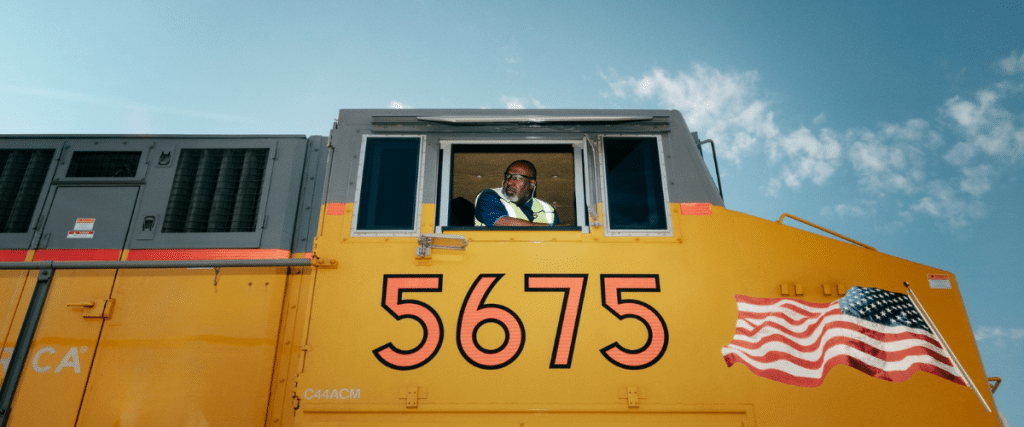
What’s the difference between a locomotive and a train car?
The locomotive powers the train; cars carry freight.
Are any locomotives still steam-powered?
No, modern locomotives are diesel-electric, though steam trains operate in some museums and excursion services.
How heavy is a freight locomotive?
About 200 tons with some locomotives weighing up to 213 tons.
How much does a locomotive cost?
Between $3 million and $5 million depending on specifications.
How long do locomotives last?
20–30 years, with rebuilds extending life. Railroads may modernize older models.
What is distributed power?
Placing locomotives throughout the train to improve control, reduce stress, and allow longer trains.
How does a train’s braking system work?
A train’s braking system uses compressed air (air brakes) controlled by the engineer to slow or stop the train, supplemented by electrically operated dynamic brakes on locomotives.
Are there driverless freight trains?
Freight railroads do not have driverless trains on mainline track. For over 20 years, freight railroads have used Remote Control Locomotive (RCL) technology—also called Remote Control Operations—to improve safety and efficiency in rail yards by allowing operators to control locomotives from nearby locations rather than onboard.
What type of fuel do locomotives use?
Most freight rail locomotives use diesel fuel to power electric traction motors. Railroads are piloting battery-electric and hydrogen fuel cell locomotives, testing hybrid consist models that capture braking energy to reduce emissions by nearly 30%, and incorporating renewable fuels to further lower carbon output.
How far can a locomotive go before refueling?
A locomotive can travel hundreds of miles depending on its route, load, and terrain. One train can move one ton of freight nearly 500 miles on one gallon of fuel.
Passenger Rail
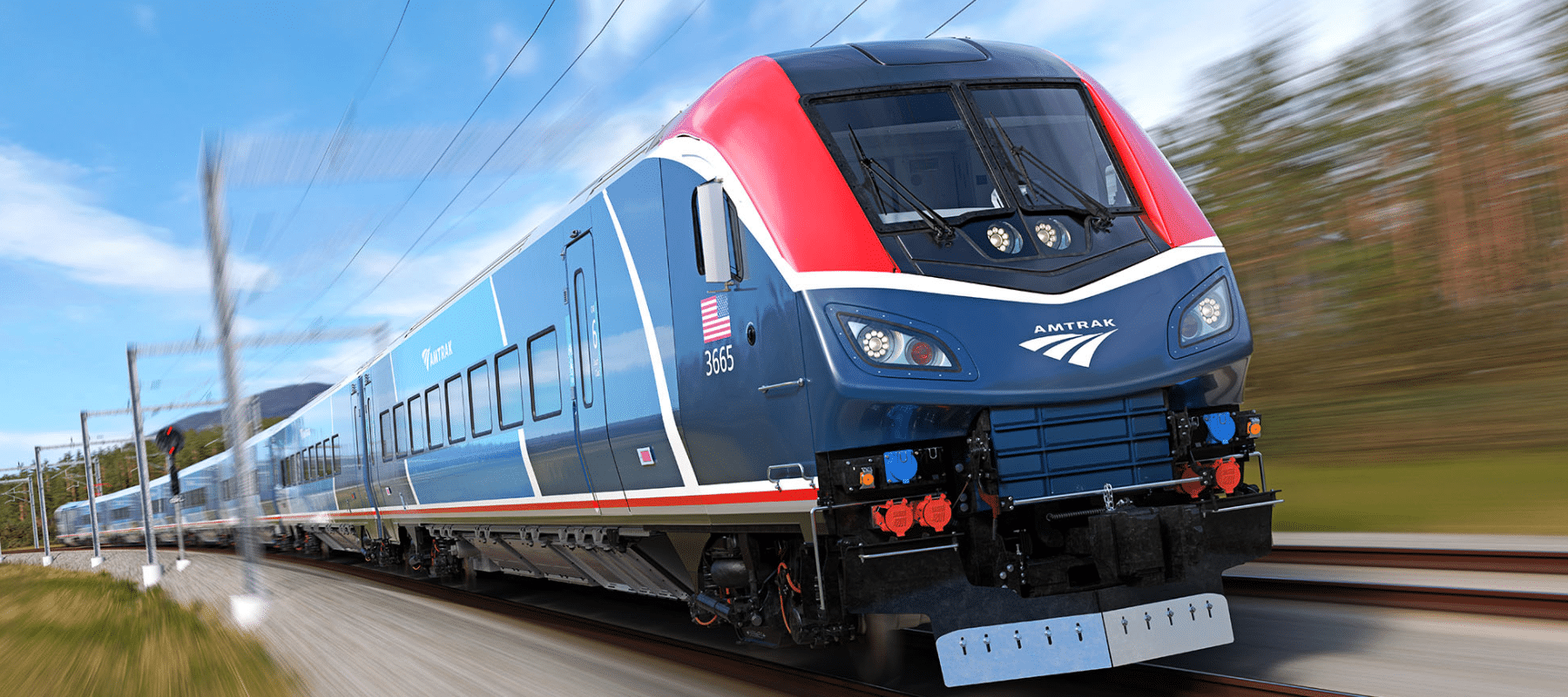
Does Amtrak use freight rail tracks?
Over 70% of Amtrak’s travel occurs on tracks owned by freight railroads. Federal statutes and negotiated agreements govern Amtrak’s relationship with host railroads, defining key terms such as schedules and performance standards.
Do freight trains have anything to do with VRE or MARC?
Yes, VRE and MARC often run on freight-owned tracks through usage agreements.
Do freight railroads carry passengers?
Freight railroads focus on goods; Amtrak and commuter services carry people.
Why doesn’t the U.S. have high-speed rail like Europe or Japan?
European and American rail systems differ in infrastructure, train characteristics and operations. America’s freight rail network is highly efficient and holds a substantial share of the transportation market. European railroads receive more government subsidies for both freight and passenger services. Discussions about European trains in the U.S. often focus on passenger rail, where European services dominate the market compared to the United States.
Who runs passenger trains in the U.S.?
Amtrak, regional commuter agencies (e.g., VRE, MetroNorth, etc.), and some private operators.
How are passenger train crews different from freight crews?
Both are federally certified, but passenger crews focus more on customer interaction and schedule adherence.