Below is the latest edition of The Signal ™ — our biweekly newsletter delivering freight rail news, insights, and interesting facts. Enjoying it? Subscribe to get the email sent straight to your inbox every other week. You can also check out past editions here.
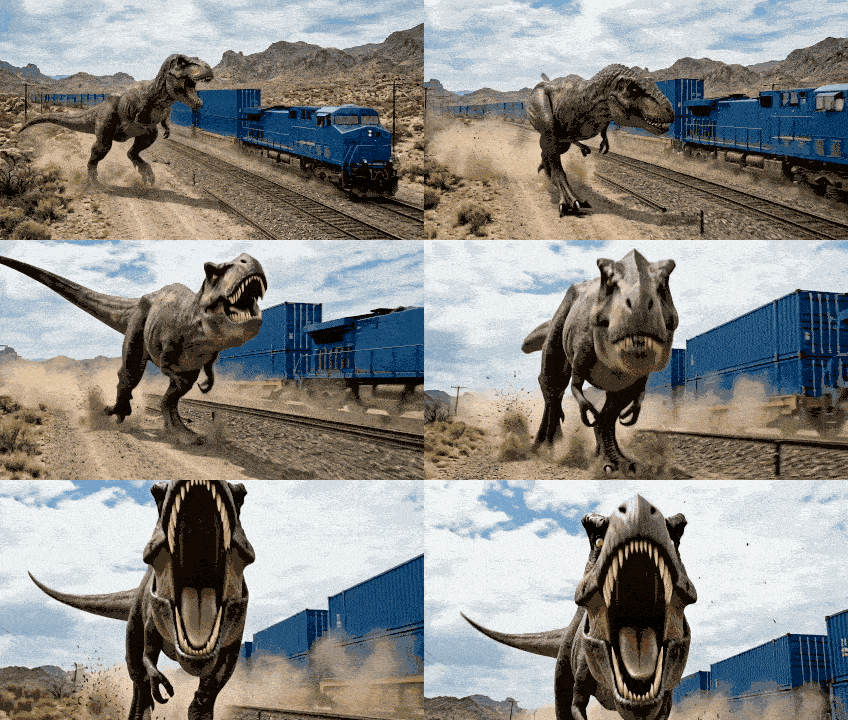
Ok, you know we love a good analogy here at The Signal—so stick with us.
In the movie Jurassic World, the park is actually working. It’s high-tech, efficient, and running safely. But that’s not enough. The owners want something bigger, flashier—more wow. So they create the Indominus Rex without fully understanding how it fits into the system. You don’t have to have seen the movie to know how that ends (hint: lots of roaring and running).
As the House Transportation and Infrastructure Committee prepares to mark up the Transportation Bill, it’s worth asking: are they about to engineer their own Indominus Rex?
The U.S. freight rail network works.
- It’s safe: Last year was record-breaking; employee injuries, derailment rates, and other safety measures reached all-time lows.
- It’s critical to our economy: Freight rail moves roughly a third of the nation’s freight, making America an economic powerhouse.
- It’s efficient: One train can move one ton nearly 500 miles on one gallon of fuel.
- It makes American life more affordable: That fuel efficiency helps reduce transportation expenses, helping keep goods more affordable for consumers.
- It provides amazing jobs: Rail workers earn 40% more than the national average and their median tenure is almost 14 years.
Where things can go wrong
Problems start when you try to “improve” a system that’s already working with “wow factor,” one-size-fits-all mandates that aren’t grounded in data or real-world operations. And when that happens, the impacts don’t stay contained. They trample through the supply chain—slowing freight, raising costs, and ultimately hitting businesses and consumers.
Take for example the Railway Safety Act. As the National Taxpayers Union puts it: “The proposed new rail regulations tucked into much needed transportation program reauthorization wouldraise the cost of moving cargo from factories and ports to communities across the country. Those higher costs would ultimately be passed on to consumers through higher prices.”
Just because you can…
There’s a great line in the original Jurassic Park that feels especially relevant here: “Your scientists were so preoccupied with whether or not they could, they didn’t stop to think if they should.” Policymakers have the power to directly impact our economy and with that power comes responsibility. For freight rail, the question isn’t just what can be changed, but if it should be—because the consequences reach far beyond the rails.
Take Action: Tell your lawmakers not to make a monster mistake.
– The Signal Editors
Taking Flight
CSX has turned its drone program from a small proof of concept into an enterprise-wide operation. Today, the railroad deploys more than 250 drones and more than 350 certified pilots across eight departments. They support everything from police operations to bridge inspections, mapping, and disaster response.
Reducing Rail Congestion in Chicago
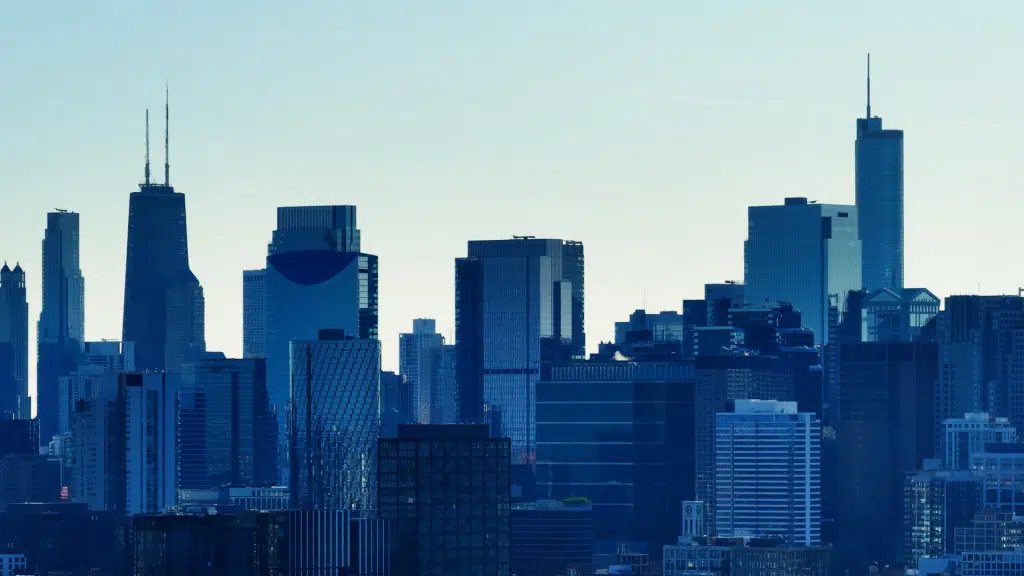
Chicago may be the rail capital of North America—but it’s also one of the most congested thanks to busy at-grade crossings like the 75th Street junction, where four rail lines once crossed each other. In 2025, that bottleneck got a major upgrade: a new “flyover” that keeps trains moving and eliminates delays. It’s part of CREATE, a multi-agency effort to untangle Chicago’s rail network.
Want the inside story? Rebecca Wingate, AAR’s CREATE program manager and a licensed engineer, joined The Infrastructure Show to break it down.
The Original Disruptor: Influencing in the 1900s
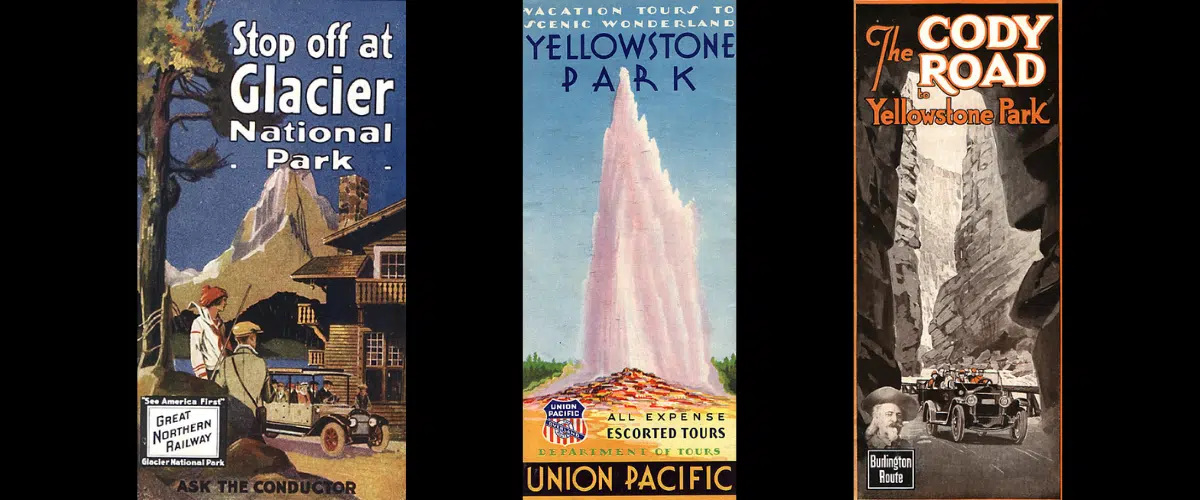
👆 Examples of freight rail ads for national parks. Check out this Trains article for a deeper dive.
About one in five Americans now regularly get news from news influencers—and among younger adults, that number jumps to nearly 40%, according to Pew Research Center. It shows just how powerful people with ring lights and an internet connection have become.
Even more surprising? Freight railroads were the first influencers.
Back in the 1850s to early 1900s, railroads didn’t need likes or followers to shape behavior. If your town had a rail connection, you had choices—new products, newspapers, fashions, and ideas. If it didn’t, you weren’t even aware progress was passing you by.
Railroads also knew how to sell a story. In the late 1800s, they promoted cities, farmland, resorts, and national parks with eye-catching posters and guidebooks. Want more people to visit, move, or invest? Put it on the rail map and tell them about it. Before algorithms decided what was trending, railroads decided what mattered.
Industry Reads
- Wall Street Journal: We Asked a Panel of Economists to Forecast the War’s Impact
- NYT: 3 Men Are Arrested in $1 Million Lego Theft in California
- Reuters: US trade court weighs legality of Trump 10% global tariff
- FreightWaves: Amazon to scale up drone delivery in 2025, CEO says
- FoxNews.com: Why the world’s biggest truck makers are ditching batteries for heavy-duty hauling