Below is the latest edition of The Signal ™ — our biweekly newsletter delivering freight rail news, insights, and interesting facts. Enjoying it? Subscribe to get the email sent straight to your inbox every other week. You can also check out past editions here.
According to FRA data, the overall train accident rate declined 14 percent year over year, while derailments, equipment-caused accidents, and track-caused accidents each fell to their lowest levels in the industry’s history. Fewer human-factor incidents also point to the impact of better tools, technology, and a highly skilled workforce working together every day. While that progress matters, the industry is continuing to invest and improve to make the network even safer.
👆 Harley explains more.
It’s not a job. It’s a legacy.

For some, railroading is a family tradition. That’s true for George Wong of BNSF, whose connection to the industry spans four generations.
With more than 30 years on the railroad, Wong followed in the footsteps of his great-grandfather and grandfather—carrying on a legacy that highlights the enduring role freight rail plays in supporting the economy and communities across the country. “My son is planning to go down the same path at BNSF,” Wong said. “He’s seen how it has treated our family over and over through the generations. It’s still a place where you can build a career and I’ve enjoyed my time here.”
Wayside Detectors 101
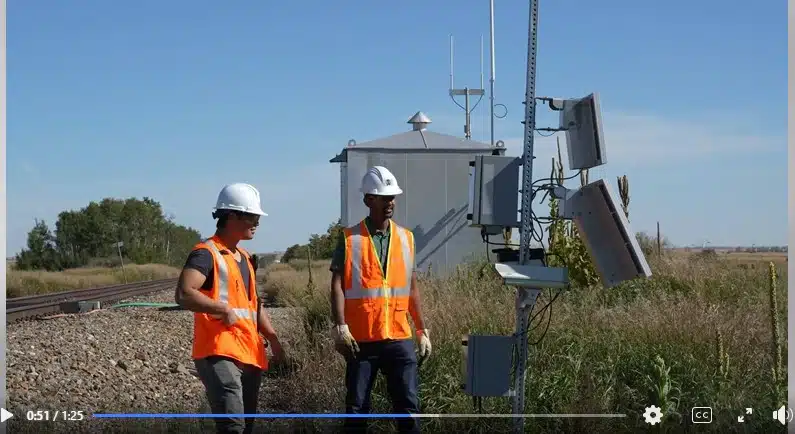
👆Check out this short video to meet Chathula Adikary, a Wayside Detector Systems Engineer-in-Training at CPKC.
Freight railroads use a lot of technology across their networks—and it can be tough to keep track of what it all does. So we worked with our Safety & Operations experts to break down one of the most important tools out there: wayside detectors. “Wayside” simply means equipment installed alongside or within the track—rather than on the train itself. These systems scan trains in real time as they pass, without slowing them down.
At the end of the day, freight rail safety comes down to people and technology working together. While railroad employees are out inspecting and maintaining equipment every day, wayside detectors add another layer of protection—using heat sensors, lasers and acoustics to catch potential issues with wheels, bearings and brakes early and help keep trains moving safely and reliably.
EXPERT INPUT: The White House’s push for the Railway Safety Act flies in the face of its own advice.
John Shelton, VP of Policy at Advancing American Freedom, cautions against sweeping new rail safety regulations, arguing that effective regulation should target root causes and remain flexible enough to evolve with advancing technology. “Legislation that locks in today’s technology risks boxing out better technology in the future, even as it ensures higher costs, with safety improvements that are often marginal at best.”
Then & Now: From Industrial Giants to Space-age Cargo
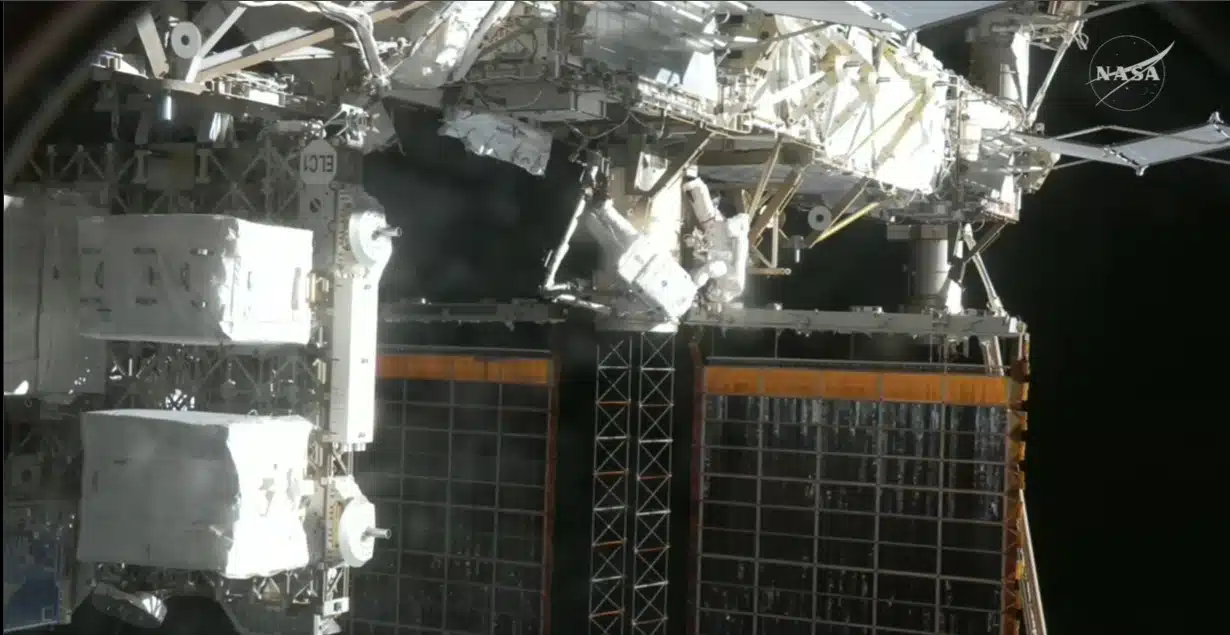
Yesterday, two NASA astronauts took a nearly ten hour spacewalk outside the International Space Station to prepare the 2A power channel for the future installation of International Space Station Roll-Out Solar Arrays. The array will provide additional power for the orbital laboratory, including critical support of its safe and controlled deorbit. This amazing feat made us think about a good Then & Now factoid. 👇
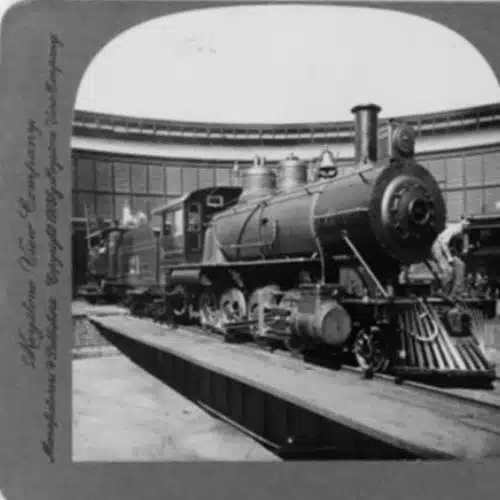
👆 Finished engine at 20th Street round-house, ready for shipment, Baldwin Locomotive Works, Philadelphia, Pa., U.S.A. 1900-1910. Library of Congress.
From the late 1800s through the mid-1900s, freight railroads were the only way to move the largest and heaviest objects ever built. Entire steam locomotives were shipped fully assembled from factories to railroads across the country.
Rail also carried massive industrial boilers, steel mill equipment, bridge girders, stone blocks for courthouses and monuments, as well as enormous naval guns and military hardware during wartime. These oversized loads powered industrialization, electrification, and national defense at a scale no other transportation system could match.

👆 BNSF moves new Boeing 737 rocket engines. Photo: RailPictures.net Image Copyright Allen Robertson.
Today, freight railroads continue that role by moving some of the most advanced and oversized cargo in the modern world. Specialized railcars transport rocket boosters and spacecraft components, massive power transformers, nuclear reactor parts, and wind turbine blades stretching hundreds of feet long.
Rail also carries prefabricated bridges and large modular structures that support modern infrastructure and energy systems. While the cargo has evolved from steam and steel to space and renewables, rail remains essential for moving the biggest things humans can build—too large, heavy, or fragile for highways.
One last thing…
We’re excited to add Instagram to our social channels. Follow us at @aar_freightrail for the latest freight rail news, industry insights, and policy updates delivered straight to your feed.
Industry Reads
- New York Times: Driverless Big Rigs Are Coming to American Highways, and Soon
- FreightWaves: Rail outlook up on firmer economic factors: AAR
- Journal of Commerce: Ocean shipping patterns erode intermodal share from West Coast: analyst
- The American Spectator: No Rail Strike This Time
- The Blaze: One crash, one derailment — and Congress still can’t follow the data (Opinion)